Morning Chores: The Barn's Daily Rhythm
The barn day starts before most people's alarms. A walk through the morning chore routine — feeding, watering, turnout — and why mornings at the barn have their own particular magic.
The order of things
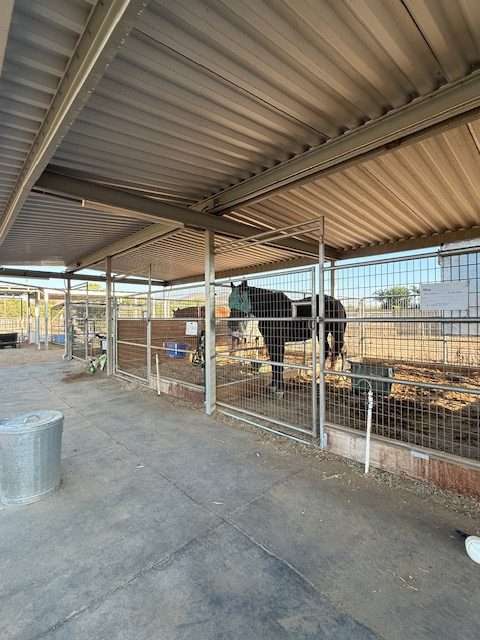
Morning chores run in an order refined by generations: feed first, because hungry horses are impatient horses and everything else goes smoother on a full stomach. Then water — check every bucket and trough, scrub what's slimy, note who's drinking normally. Then turnout or stall cleaning, depending on the setup: horses out to pasture, stalls mucked, fresh bedding, hay nets filled. The whole routine takes an hour or two for a small barn, and it happens the same way every day. The sameness is the point — the horses' digestion, mood, and trust all run on it.
Why mornings matter
Morning is when the barn tells you how everyone is. The horse that didn't finish breakfast, the water bucket that's barely touched, the leg that's a little puffy, the attitude that's a little off — you catch it all in the morning round because you know what normal looks like. Experienced barn people do this assessment automatically, chore by chore. It's also the quietest, most honest hour: just you, the horses, and the work, before the day's noise starts. Many lifelong barn people will tell you mornings are why they do it.
The rhythm as teacher
There's no skipping steps in morning chores — the sequence enforces thoroughness. You can't muck around the water check; you can't feed and forget turnout. That built-in discipline is quietly instructive, especially for newcomers used to optimizing everything. Some jobs just take the time they take. Doing them in order, every day, builds a particular kind of reliability: the kind where people — and horses — trust that you'll be there and do it right. The routine is the reputation.
Finding your morning
You don't need to own a horse to have a barn morning. Volunteer for a feeding shift, help a neighbor barn, or just show up early on a visit day and ask to shadow the routine. Wear layers — mornings are cool even in warm climates — and bring work gloves. Don't expect to be useful the first few times; expect to learn the order. Within a month, you'll have the rhythm in your body, and you'll understand why barn people are so particular about their coffee and so cheerful about 6 a.m.
Keep reading
From the ranch