Spreading Horse Manure: Feeding Fields, Not Parasites
Horse manure is real fertilizer — nitrogen, phosphorus, and organic matter a pasture wants — but spread carelessly it is also a parasite-delivery system. Timing and field choice make the difference.
What Manure Gives a Field
A horse produces manure every day of its life, and that stream carries genuine agronomic value: modest amounts of nitrogen, phosphorus, and potassium, plus the organic matter that improves soil structure and water holding far beyond what the nutrient numbers suggest. Farms that spread thoughtfully close a loop — forage grows the horse, the horse feeds the field, the field grows forage. The catch is that fresh horse manure is not finished fertilizer. It arrives laced with strongyle parasite eggs shed by the herd itself, possibly weed seeds that survived digestion, and a nutrient profile that releases unevenly — which is why how and where it is spread matters as much as whether it is spread at all.
The Parasite Problem, Plainly Stated
Strongyle eggs passed in manure hatch on pasture into larvae that climb grass blades and wait to be eaten — completing the cycle in the next horse. Spread fresh manure on a field horses are currently grazing, or will graze within the season, and you have efficiently fertilized the pasture with its own parasite burden, defeating a deworming program built on fecal testing and targeted treatment. Three practices break the cycle. Composting manure first is the gold standard, since a properly hot compost pile kills parasite eggs and most weed seeds. Spreading on fields used for hay rather than grazing, or on land rested from horses for an extended period, puts time between eggs and mouths. And dragging or harrowing manure piles apart in hot, dry weather exposes eggs and larvae to the sun and desiccation that kill them.
Timing, Buffers, and the Neighbors
Field sense governs the spreading day itself. Spread on growing forage that can take up nutrients, not on saturated, frozen, or about-to-be-flooded ground, where nutrients run off instead of soaking in — and keep honest buffers from waterways, wells, and drainage lines, following whatever local rules apply to manure application in your area. Incorporating spread manure lightly, or following with harrowing, gets it in contact with soil life and off the grass surface. Keep records the way you would for any fertilizer: which field, when, how much. The record is what turns this year's decision into next year's pasture plan instead of a repeat of someone's guess.
A Barn-Level System That Works
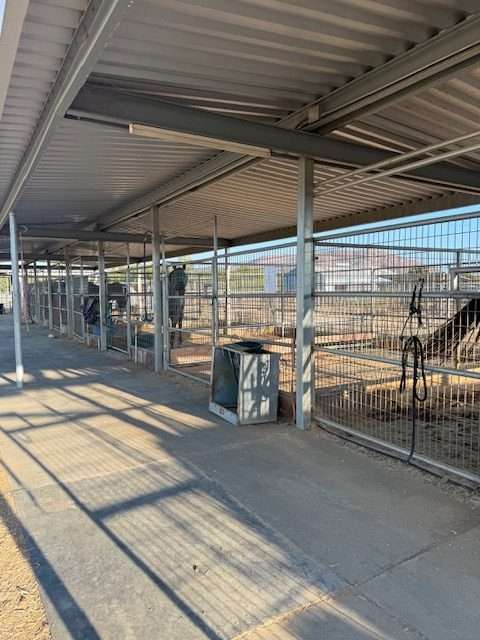
The farms that handle manure well treat it as a system rather than a chore: a defined storage area, ideally on an impermeable pad and away from water, where the pile can age or compost between spreadings; a rotation map that knows which fields are hay ground and which are grazing, and spreads accordingly; and a calendar that puts spreading on rested or hay fields ahead of growth, never on the paddock the herd returns to next week. Pair it with the parasite side of the program — fecal egg counts and your veterinarian's deworming plan — and manure stops being waste management. It becomes what it was on farms for centuries: the field's share of the horse's dinner, returned.
Keep reading
From the ranch