The Mangalarga Marchador: Brazil's Marching Horse
The Mangalarga Marchador is Brazil's national gaited breed, famous for the marcha — a smooth four-beat gait with moments of triple support that riders can sit for hours.
From Minas Gerais to the World
The breed began in the Brazilian state of Minas Gerais in the early 1800s, when the Junqueira family crossed Iberian stallions — Alter Real and Andalusian blood from Portugal and Spain — with the hardy local mares of the region. The name joins a foundation estate, Mangalarga, with marchador, the marching one, a nod to the gait that made the horse famous. Brazil built a registry in the mid-twentieth century, and the Marchador became the country's most numerous and beloved riding horse, used on cattle fazendas for generations before the rest of the world discovered it. Exports are recent enough that outside Brazil the breed still feels like a discovery.
The Marcha: Two Gaits, No Bounce
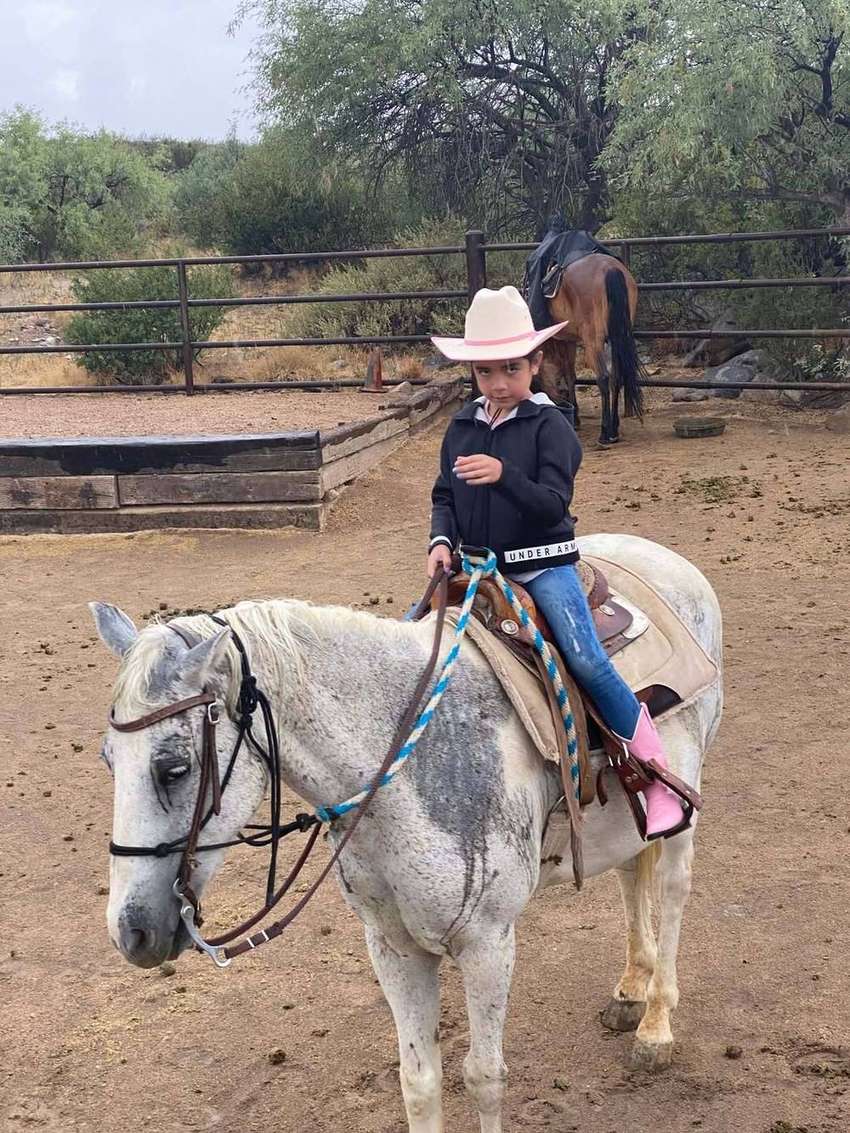
Marchadors do not trot. In place of the trot they offer the marcha, in two forms breeders debate endlessly. Marcha picada is the smoother, more lateral version, a broken pace with very little vertical movement. Marcha batida is the more diagonal version, closer to a broken trot, with more engagement and overreach. Both are four-beat gaits with moments when three hooves support the horse at once, which is the mechanical secret of the smoothness: there is almost no suspension, so the rider's seat is never thrown. Heights run roughly 14.2 to 16 hands, gray is the most common color, and the build is compact, strong, and refined, with a notably gentle, intelligent expression.
A Fazenda Horse With a Long Resume
On Brazilian cattle operations the Marchador is a working horse first — gathering and checking cattle over big country, in heat, for long days — and that job selected for stamina, sure-footedness, and a calm, willing mind. The same qualities made it a natural endurance and trail horse; Marchadors have completed some of the longest documented endurance rides in the world. Owners consistently describe a people-oriented, docile-but-alert temperament: a horse that notices everything and worries about very little. For riders whose backs have ended their trotting careers, a good Marchador is often described the same way — the horse that gave them long rides back.
Keeping a Marchador Well
Management is straightforward and forage-first. Marchadors are generally efficient keepers shaped by working country, so build the diet on forage and honest body-condition checks, planned with your veterinarian, rather than generous grain. Protect the gait by protecting the feet and legs: regular farrier care on schedule, conditioning built gradually, and plenty of turnout. Because the breed is still uncommon in North America, a new owner should connect early with the breed association and with a veterinarian and farrier willing to learn its gaits — a Marchador moves differently, and different here is correct. Keep one the Brazilian way, with miles to march, and it will march them happily for years.
Keep reading
From the ranch