Managing a Blind Horse: The Basics
A horse blind in one or both eyes can live a full, calm life — blind horses navigate by memory, sound, and routine, and thoughtful management turns a frightening diagnosis into a workable daily system.
Horses Cope Better Than Their Owners Expect
The first thing veterinarians and experienced owners agree on is that most horses adapt to vision loss far better than the humans around them. Horses already navigate substantially by hearing, smell, and memory, and a horse that loses sight gradually often surprises everyone by how little changes. Blindness in one eye — from uveitis, cataract, injury, or disease — is common and usually a modest management adjustment. Total blindness asks more of the keeper, but blind horses routinely live in herds, enjoy turnout, work in hand, and are ridden by people who know them. The diagnosis is a management plan, not a verdict. This article is information only; the cause of any vision loss needs your veterinarian.
Make the World Predictable
The core principle is consistency. Keep the blind horse's stall, water, feed, and gate in unchanging places, and resist rearranging its world casually — its mental map is its eyesight. Remove hazards a sighted horse would dodge: protruding hooks and latches at head height, low branches, wire ends, sudden drop-offs, and clutter in walkways. Fencing should be highly visible or, better, tactile and safe to bump — smooth board, pipe, or mesh rather than strand wire. Walk new routes in hand slowly, letting the horse map them, and talk as you approach: a steady voice is both a warning system and a comfort, and many owners use a bell on a companion or a consistent footstep the horse learns.
Companions, Handling, and Daily Craft
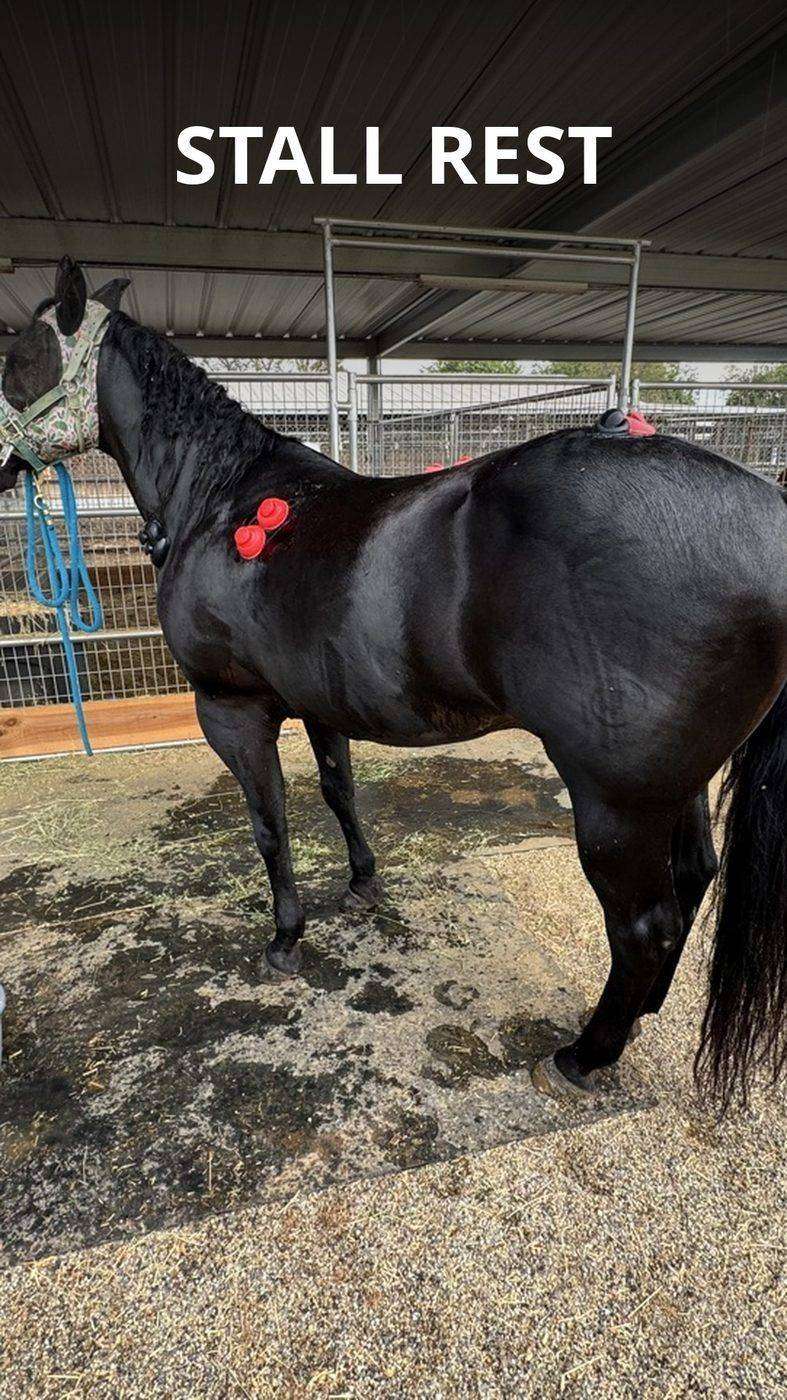
Many blind horses do best with one calm, sighted companion — a buddy whose movements and sounds orient them — though pairings must be watched at feeding time so the blind horse is not quietly bullied off its ration. Handle with narration: speak before touching, touch before doing, and keep grooming, farrier, and veterinary routines in the same order and place. New people should be talked through the rules. Some blind horses startle when approached silently on the blind side; a household that always announces itself removes most of the startling there is. Keep up the veterinary relationship — a remaining sighted eye deserves monitoring and protection, including a well-fitted mask where your veterinarian advises one.
Riding and Quality of Life
Whether a blind horse should be ridden is an individual judgment made with your veterinarian and honest self-assessment: many one-eyed horses work happily, and some fully blind horses are ridden on familiar ground by their own trusted riders, while others are clearly happier as companions and in-hand partners. The measure is the horse's confidence, not the owner's hopes. Watch its body condition, its ease in the herd, and its willingness to move out; a blind horse that travels boldly, eats well, and rests easy is telling you the system works. Horses have been trusting humans to be their lookouts for five thousand years. A blind horse simply makes that ancient arrangement official.
Keep reading
From the ranch