The Lithuanian Heavy Draft: Baltic Farm Power
The Lithuanian Heavy Draft was built in the early twentieth century by crossing the native Zhmud horse with Swedish Ardennes — and by 1964 Lithuania counted some 62,000 of them.
From the Little Zhmud to a Heavy Horse
Lithuania's native horse, the small and ancient Zhmud (Zemaitukas), was tough but too light for the heavier plows and machinery arriving around 1900. Breeders crossed Zhmud mares with Swedish Ardennes stallions, with some Finnish horse influence, and bred the second and third backcross generations among themselves until a consistent heavy type emerged. The Lithuanian Heavy Draft was formally recognized in 1963, and it spread with remarkable speed: within a year the country recorded about 62,000 of them. Lithuania has tested draft capacity since the nineteenth century, and stallions of the breed have long faced performance tests before breeding.
Large, Solid, and Harmonious
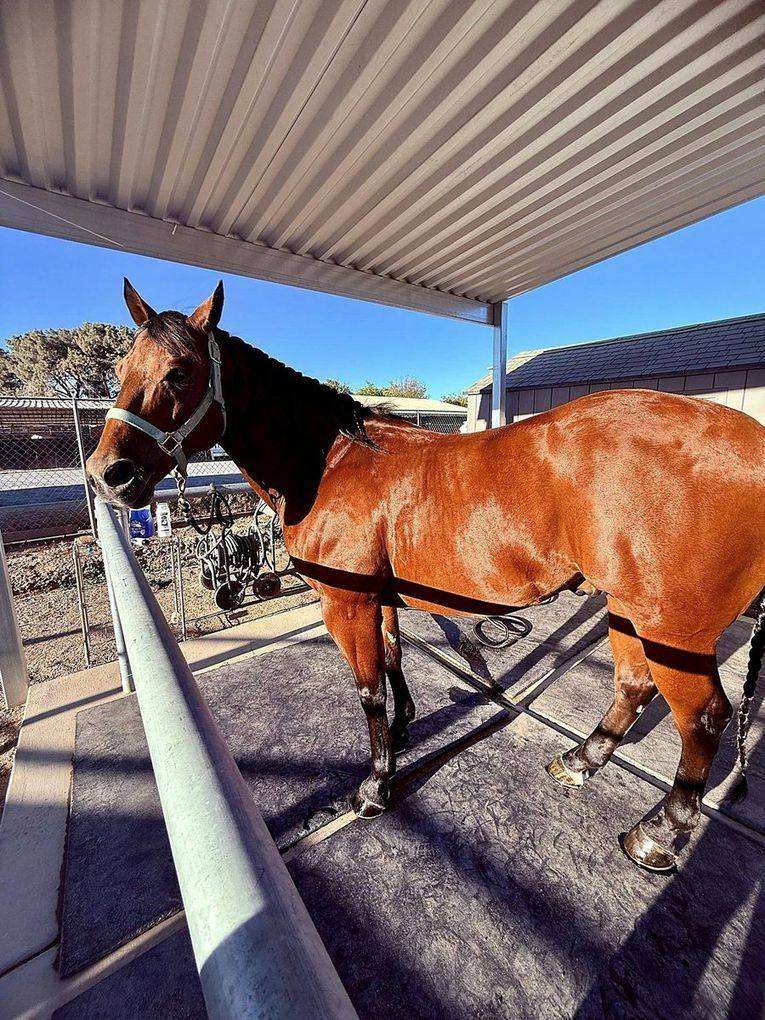
Oklahoma State's breed summary gives breeding stallions at about 160 centimeters at the withers — roughly 15.3 hands — with a deep chest girth and cannon bone to match, and mares only slightly smaller. The build is large and solid but harmonious: a somewhat coarse, clean-cut head, a short muscular arched neck, a long back that can dip slightly, a broad and rounded croup, and short, strong legs with well-formed hooves. Common colors are chestnut and bay, with black, gray, and roan also seen. Recorded pulling tests underline the substance: the breed's draft records include walking two kilometers against a set pull and maximum pulls well beyond half a ton.
The Working Horse of a Farming Nation
The Lithuanian Heavy Draft was, for decades, simply how Lithuanian farms got worked — plowing, harrowing, carting, and hauling in a cold Baltic climate, prized for quiet temperament, durability, longevity, and fertility. Crossed on native horses elsewhere, including the Altai, it improved size and hardiness. Mechanization eventually did to this breed what it did to most drafts, only faster in a small country: numbers fell dramatically from the 1964 peak, and by the early 2000s the pure population was reported under a thousand, placing the breed near extinction and making its remaining breeders conservators as much as farmers.
Keeping a Lithuanian Heavy Draft Well
Care follows the northern draft pattern. Build the ration on forage, feed concentrates for real work only, and plan the diet with your veterinarian — a horse selected for thrift on Baltic farms fattens readily on rich keep. Short, strong legs and hard hooves still belong on a farrier's schedule, and the back deserves a knowledgeable eye, since a dipped back is a known breed fault that heavy loads will find. These horses are made for cold, but wind shelter, dry lying, and unfrozen water are not optional extras. Give one steady work and herd company, and it shows the Baltic virtues in full: strength without drama, season after season.
Keep reading
From the ranch