Leadline Classes: A First Step Into the Ring
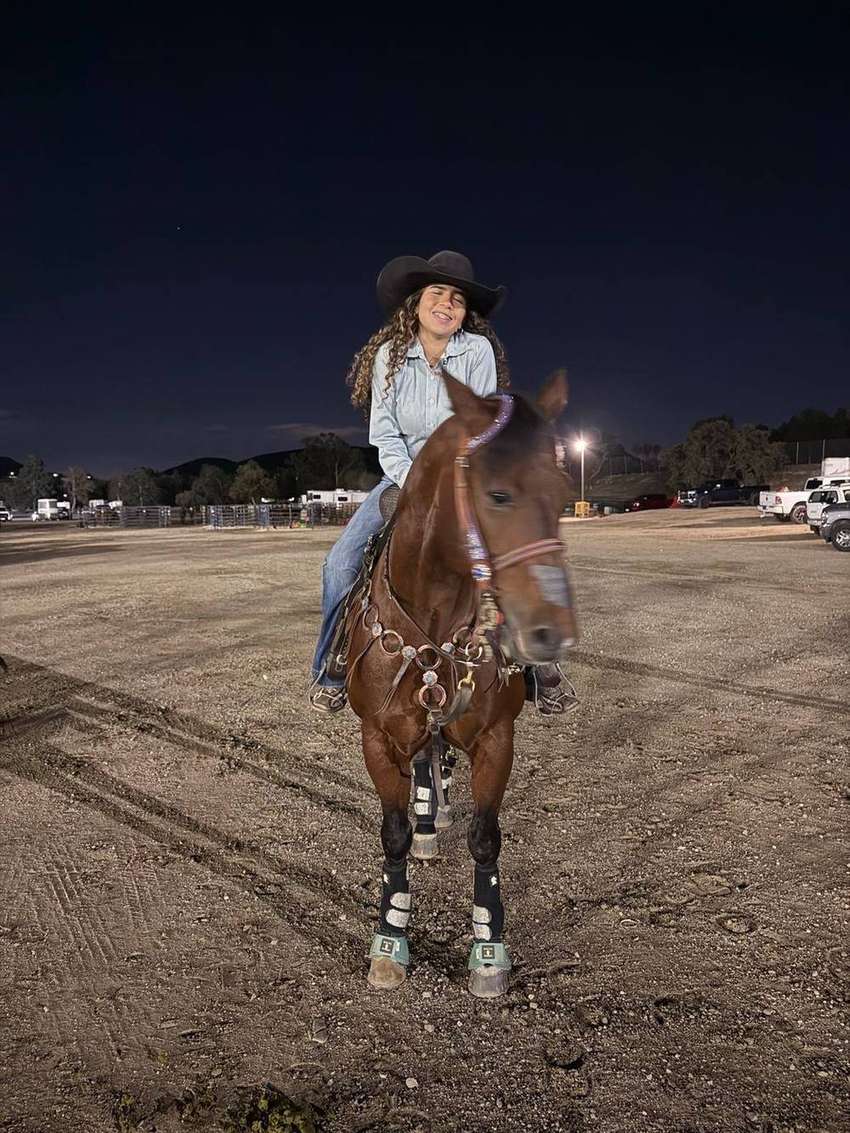
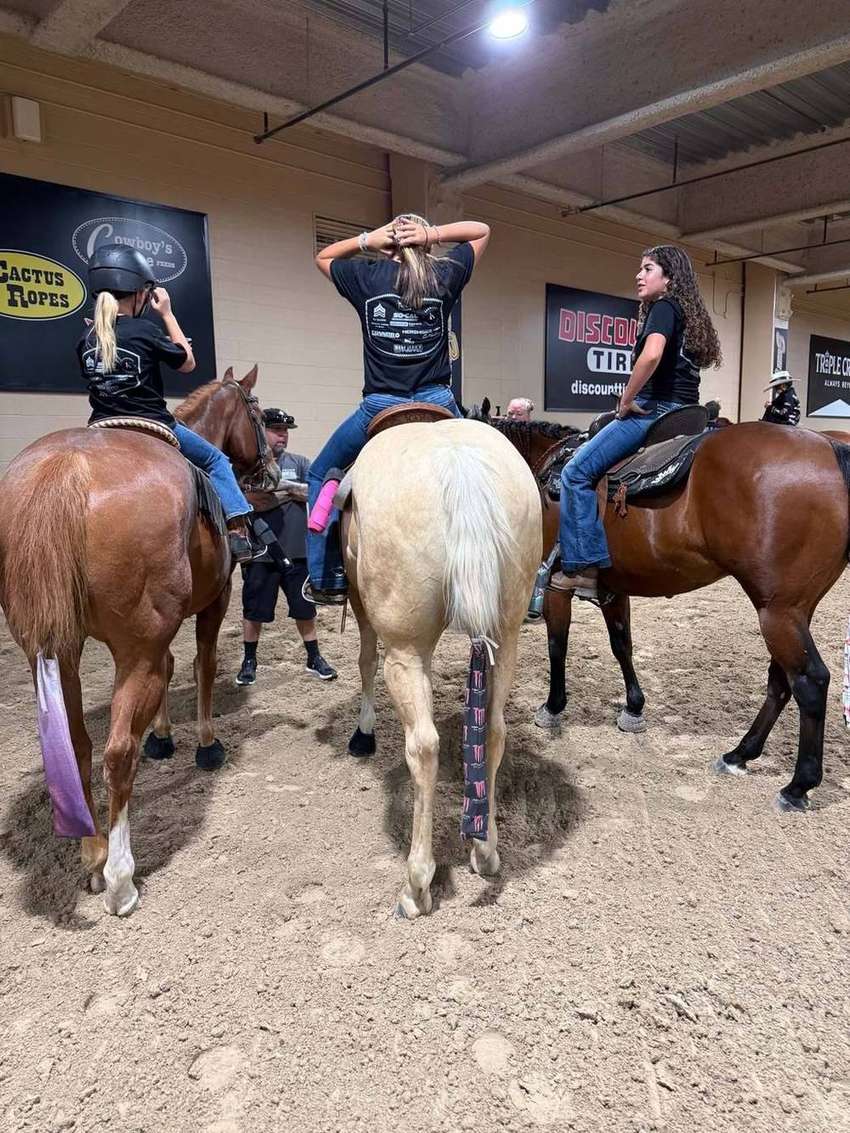
Leadline classes give the youngest riders — typically seven and under — their first experience of the show ring: mounted on a quiet horse or pony, led by an adult handler, and judged principally on the rider's seat, hands, and presentation.
The Class Built for First Shows
Almost every horse show runs some version of leadline, because the sport needs a door at ground level. The format: a child rider, usually no older than seven under most rulebooks, sits on a horse or pony that is led at the walk — and at some shows the trot — by an adult handler on foot holding a lead attached to the horse's bridle or halter. The class is judged on the rider: equitation in miniature, meaning position, posture, hands, and how the rider presents themselves, with the handler's role formally invisible except where safety is concerned. Many shows place every rider with a ribbon rather than ranking hard — the class is an introduction, and its prize structure is designed to send every child home wanting a second show.
The Handler Is Safety Staff
Formally invisible is not the same as unimportant. The leadline handler controls the horse in a ring shared with other children, and the job is horsemanship under a dress code: a suitable, genuinely quiet horse — the class is no place to debut a green pony — tack checked before entering, the lead held with enough slack to look effortless and enough contact to intervene instantly, and the handler dressed to match the rider's turnout, since the pair is presented as one picture. Handlers walk the class's etiquette too: spacing from the pair ahead, no coaching loud enough to become instruction, and a smile that suggests this is the enjoyable occasion it is meant to be. Experienced show families treat a trusted leadline handler as the professional they are.
What the Rider Is Really Learning
For the child, leadline teaches the show ring's grammar before its skills: entering and lining up, sitting up and smiling under a judge's eye, the patience of waiting while others are judged, accepting a placing — any placing — graciously, and the ceremony of the lap of honour. Riders practise at home the elements the judge can actually reward at this level: heels down and eyes up, two hands quiet on the reins, sitting still and tall through the walk and the short trot, and steering their own small corrections so the ride looks like riding and not freight. Parents should hear the honest frame from coaches: leadline is judged presentation of a beginner, and the beginner's real curriculum is confidence — the ribbons are souvenirs of it.
From Leadline Onward
Leadline sits at the head of the standard beginner pathway this library's riding pages describe: from leadline to walk-trot classes ridden independently, then to the short-stirrup and age-group divisions as skills and legs grow. The transitions matter more than the timetable — a child moved up when the fun says so, on a pony whose size and schooling still leave room for mistakes, keeps showing; a child rushed up a division to match a sibling or a schedule often quietly stops. Shows vary in their exact age limits, tack rules, and whether trotting is asked, so the family's rule from all of this library's show pages applies: read the prize list for this show, this year — and then enjoy the smallest class of the day, which is usually also the most photographed.
Keep reading
From the ranch