Leading Through Gates and Doorways: How to Stay Safe and Unpinned
Gates and stall doorways are where most leading accidents happen. The space is narrow, the horse is big, and getting caught between a horse's shoulder and a gate post is a real risk. Good technique keeps you on the safe side of every opening at any good barn.
Positioning: Lead From the Shoulder
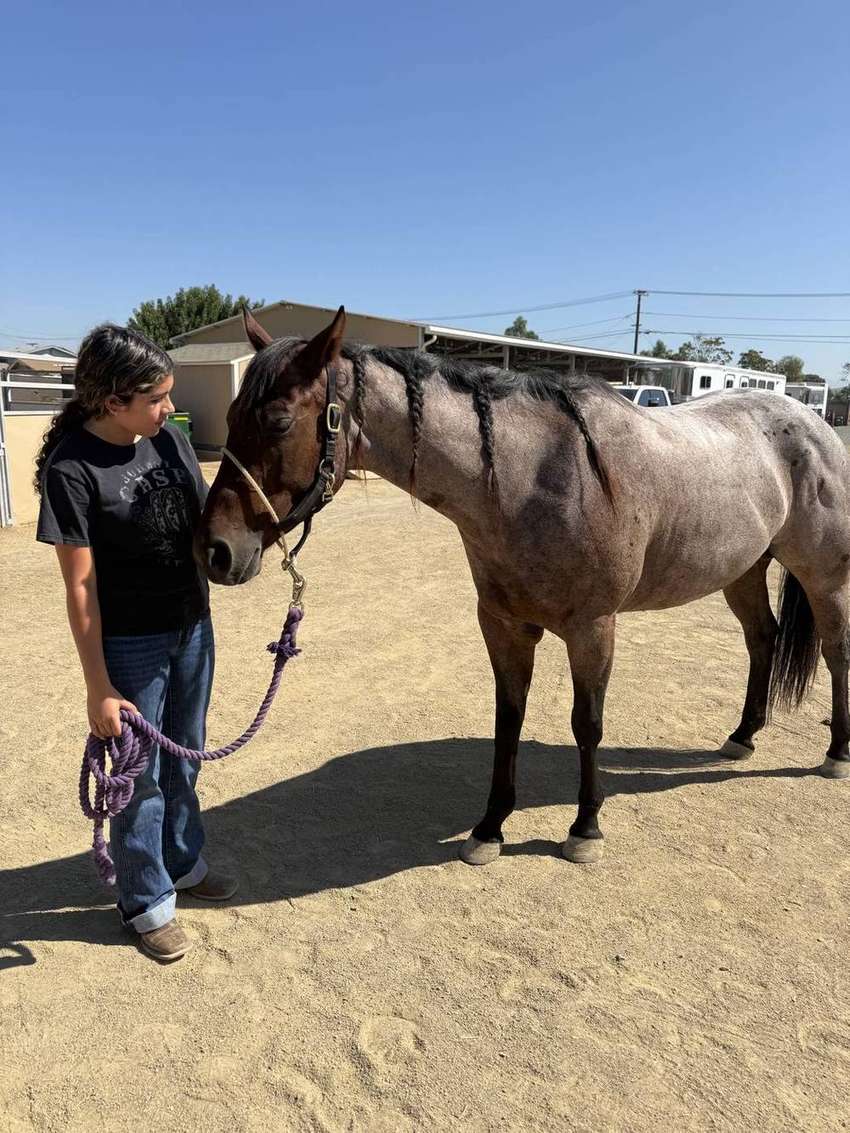
The safe leading position is at the horse's left shoulder, walking beside it rather than in front of it or trailing behind. Hold the lead rope in your right hand about a foot below the halter snap, with the excess rope folded neatly in your left hand — never wrapped around your hand or wrist, where it can tighten dangerously. Your body should be roughly even with the horse's eye or throatlatch, close enough to influence the horse but out of the strike zone of a sudden sideways step. If the horse crowds into you, use your elbow and a firm voice to reclaim your space rather than shrinking against the fence. Owning that shoulder position before you reach the gate means you arrive organized instead of improvising in the narrow part.
Opening and Turning Through
Open the gate or door fully before you start through, and make sure it is secured open so it cannot swing back onto the horse mid-passage. Walk through first yourself, then invite the horse to follow, keeping it at your shoulder rather than rushing ahead of you. Move at a calm, steady walk — hurrying teaches the horse that gates are exciting, which is the opposite of what you want. If the horse hesitates, give it a moment to look rather than dragging it through; most horses walk through calmly once they see the opening clearly. On the far side, turn the horse so its hindquarters swing away from you, not toward you, and close the gate behind you before doing anything else.
Avoiding the Pinch Point
The danger zone is the narrow gap between the horse's body and the gate post or door frame — never put yourself there. If the horse drifts toward you in the opening, stop, reposition, and go through again rather than squeezing past a thousand-pound animal in a four-foot gap. Keep the lead rope short enough that the horse cannot swing its head over you or step on the rope, but long enough that you are not pulling its nose around. Watch the horse's hindquarters as well as its head; a horse that swings its hips toward you in a doorway can pin you against the frame. Patience is the safety tool here — a horse that stands quietly while you sort out the gate is a horse that has been taught the right lesson.
Practice Makes It Calm
Like most horsemanship skills, gate work gets easier with repetition and a calm horse. Practice with an experienced, patient horse first, and ask a more seasoned handler to watch your first few tries and coach your positioning. Notice how the calmest handlers make gates boring: same approach, same pace, same expectations, every single time. If a particular horse is pushy or anxious at gates, that is a training question for an experienced trainer, not something to muscle through on your own. The goal is simple and worth repeating — every gate, every doorway, every time, you stay out of the pinch point and the horse walks through at your shoulder.
Keep reading
From the ranch