The Kiso Horse: Honshu's Mountain Horse
The Kiso is the only native horse breed of Honshu, Japan's main island — a small, sturdy mountain horse from Nagano's Kiso Valley that survived a state order to erase it, and descends today from a single spared stallion.
The Horse of the Kiso Valley
Kiso horses have been raised for centuries in the Kiso Valley and the Kiso Sanmyaku mountains of Nagano Prefecture, with roots in the stock that reached Japan from the Asian mainland more than a thousand years ago. In the valley's farm villages the little horse was pack animal, farm worker, and transport in one, traditionally stalled in a recessed bay inside the farmhouse itself, on the sunny side of the home. Kiso horses carried loads on the mountain roads of the Nakasendo route and served as war horses in Japan's feudal age, yet they never left the farm: strength for their size and tolerance of sparse feed and cold winters were the qualities the valley selected.
Small, Round, and Nearly All Bay
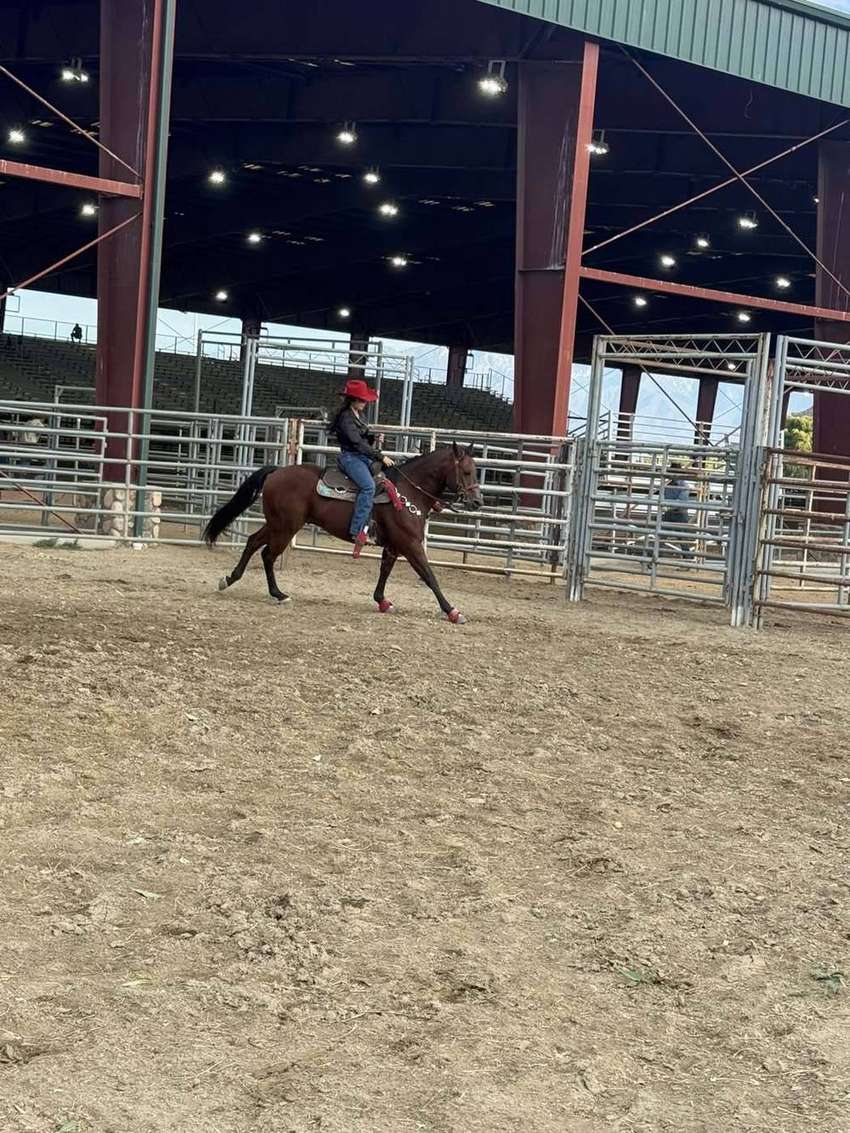
The Kiso is pony-sized even among Japan's small native breeds, standing roughly thirteen hands with a sturdy, round-bellied build, a short strong back, and hard feet made for mountain tracks. Before the twentieth century the breed came in bay, black, gray, chestnut, and palomino. The modern Kiso tells its bottleneck in its coat: after the breed was rebuilt from almost nothing, nearly all Kiso horses today are bay or dark bay, with chestnut and buckskin appearing only occasionally. That uniformity is not a fashion — it is the visible record of how close the breed came to disappearing, and registries record every foal because each one matters genetically.
Ordered Out of Existence, Saved by a Shrine
During the Meiji era the Imperial Army, wanting taller cavalry horses, ordered every Kiso stallion gelded and Kiso mares bred only to imported Western stallions. The order nearly worked. Numbers that had stood in the thousands fell through the era of mechanization as well, and after the Second World War a single purebred stallion remained — one that had escaped gelding because he had been dedicated to a shrine. His son, born in 1951, became the foundation sire of the modern breed. Even so, numbers bottomed at a few dozen in the 1970s before conservation breeding, centered on the Kiso Uma no Sato center on the Kaida Plateau, rebuilt the herd to roughly a hundred and forty horses.
Keeping a Kiso Well
Care honors the mountain thrift the valley built. Build the ration on forage, feed concentrates sparingly, and plan the diet with your veterinarian — a horse selected to winter on sparse Nagano feed gains weight readily in generous keeping. The breed is calm and willing, used today for riding, trekking, and therapy work as well as conservation grazing, and it suits patient handling and regular, varied work. Hooves belong on a regular farrier cycle even on hard mountain feet. Above all, a Kiso is a conservation responsibility: registrations kept current and breeding decisions made with the registry are how a breed rebuilt from one stallion stays rebuilt.
Keep reading
From the ranch