The Kisber Felver: Hungary's Rare Sport Horse
The Kisber Felver is Hungary's rare half-bred sport horse from the Kisber stud founded in 1853 — Thoroughbred-rich, athletic and elegant, twice nearly lost to war and now bred by a handful of keepers.
A Stud Famous for Racehorses
The Kisber stud in northwest Hungary was founded in 1853 to breed Thoroughbreds, and it succeeded brilliantly: the stud produced Kisber, winner of the Epsom Derby, and Kincsem, the mare unbeaten in fifty-four races who entered the record books as the most successful racehorse of her era. Alongside the pure Thoroughbred program, the stud pursued a second goal — a cavalry horse with Thoroughbred speed and elegance but greater substance, calm, and economy. The name records the result: felver is Hungarian for half-bred, a Thoroughbred-based cross refined into its own breed.
Thoroughbred Blood, Hungarian Substance
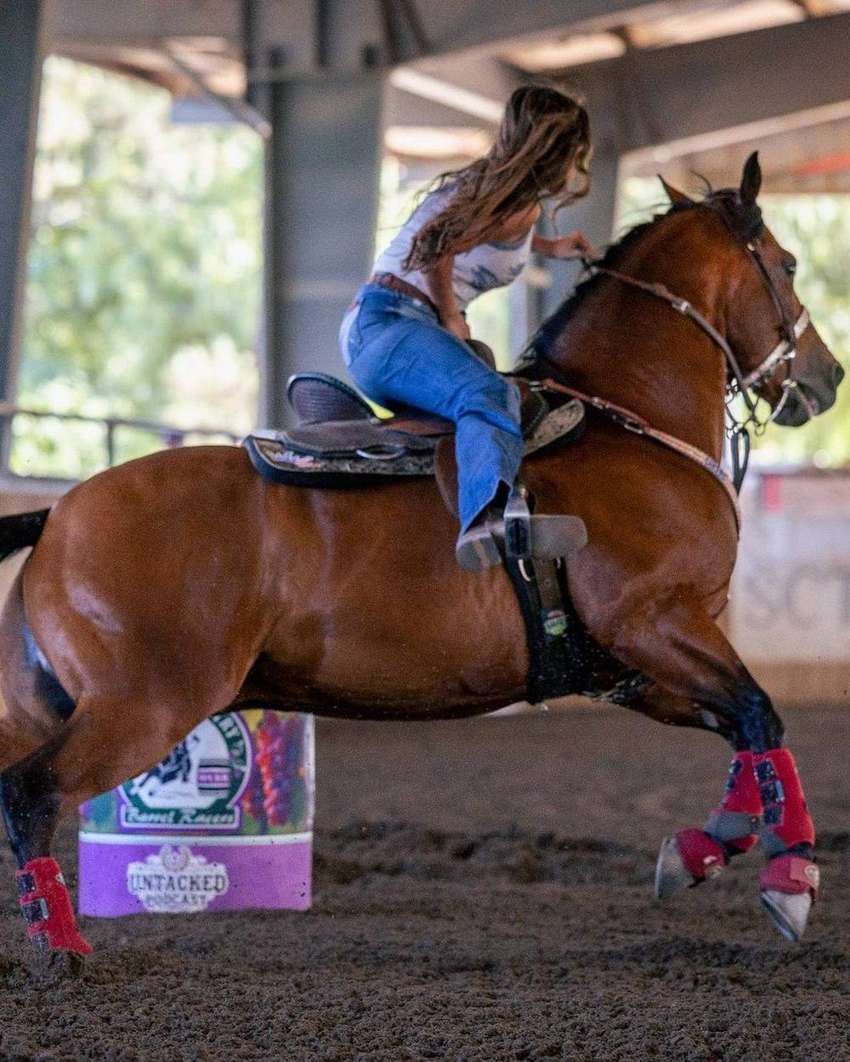
Through a carefully controlled program, Thoroughbreds were crossed with Furioso, Trakehner, Arabian, Anglo-Arabian, and Selle Francais blood, always keeping a high ratio of Thoroughbred. The Kisber Felver that emerged is a modern sport-horse type: good conformation, athletic ability, free movement, and a lively but rideable temperament, typically standing around sixteen to sixteen-two hands in the usual riding-horse colors. Trakehner stallions imported in the 1930s refreshed the athleticism while the breed kept its characteristic mass and quality. It is, in short, the Hungarian answer to the question every cavalry stud asked: how much Thoroughbred can a working horse carry?
Twice Nearly Lost to War
The breed's rarity is a war story. Both world wars cut deeply into Hungarian breeding stock, and in 1945 more than half the Kisber Felver breeding population was taken as war spoils. One hundred fifty horses went to the United States Remount Service — and when the remount disbanded in 1947 they were sold at public auction and widely crossbred, largely lost to the purebred population, unlike the more famous Lipizzaner rescue of the same era. In 1961 the Dalmand stud gathered the remaining purebreds and has continued the breed since; even so, only a handful of breeders keep it today, and total numbers remain small.
Keeping a Kisber Felver Well
Management is sport-horse management. Build the diet on forage, match concentrates to genuine work, and plan rations with your veterinarian to keep an athletic horse lean and fit rather than heavy. Legs that jump and gallop deserve daily checks and a regular farrier cycle, and a lively-tempered horse does best with consistent handling and varied work — schooling, jumping, hacking, and driving where trained. Because the breed is rare, good record-keeping matters beyond the individual horse: registrations, breeding records, and honest reporting keep a small population manageable. Give one a rider who values Hungarian half-bred quality, and it repays with elegance that still knows how to work.
Keep reading
From the ranch