The Kalmyk Horse: Steppe Horse of the Volga
The Kalmyk horse is the steppe horse the Kalmyk people brought to the Volga — a Mongolian-rooted riding horse of the dry Eurasian grassland between the Volga and the Don.
The Horse That Came West With the Kalmyks
The Kalmyks are a Mongolic people who migrated from Dzungaria in western Mongolia to the steppe north of the Caspian Sea in the seventeenth century — the only traditionally Buddhist, Mongolic-speaking people native to Europe. They came as horse nomads, and their horses came with them: steppe stock of Mongolian type, thereafter shaped by the dry Volga steppe and crossed at times with Don, Thoroughbred, and other riding blood. Kalmyk cavalry was famous in Russian service, and the breed's reputation was made on campaign — long distances, little forage, hard weather.
Steppe Build, Steppe Constitution
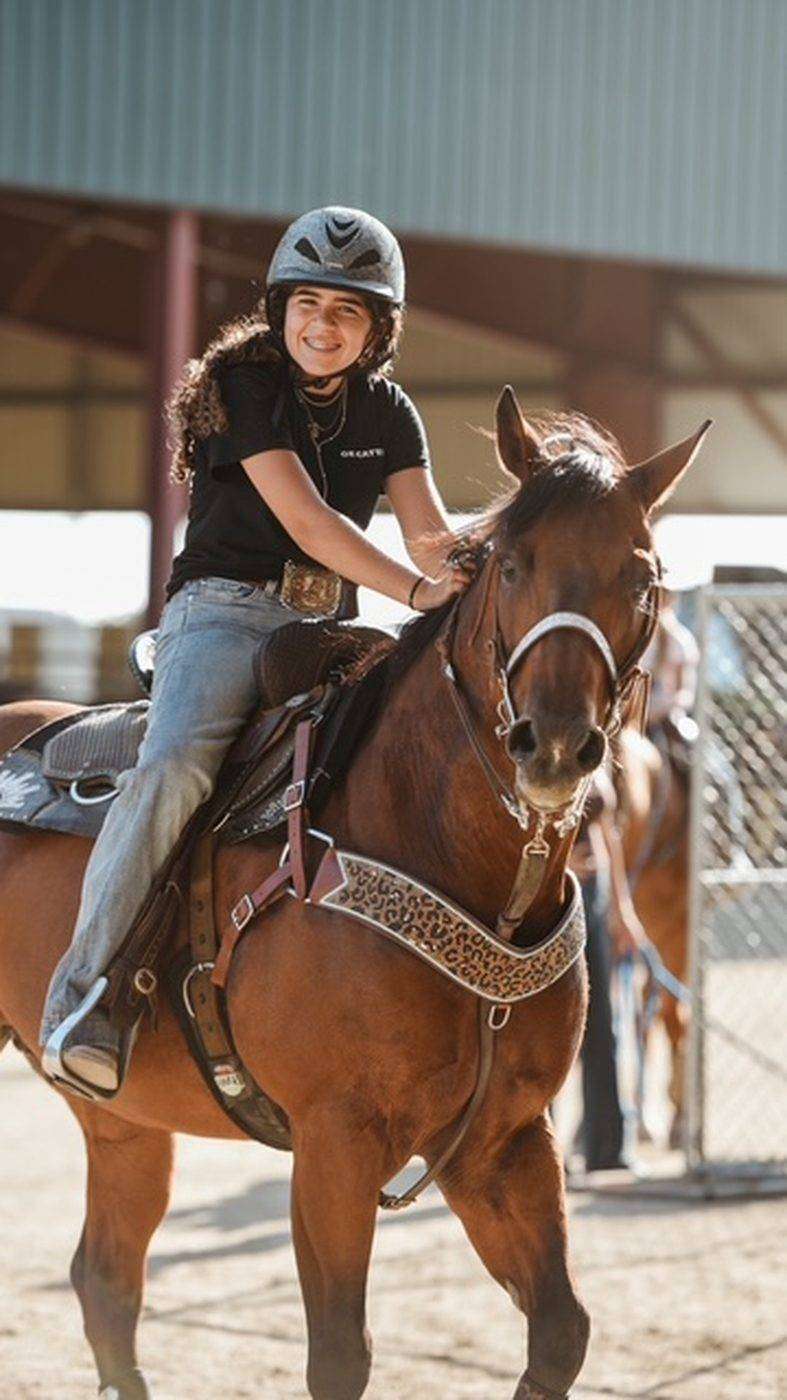
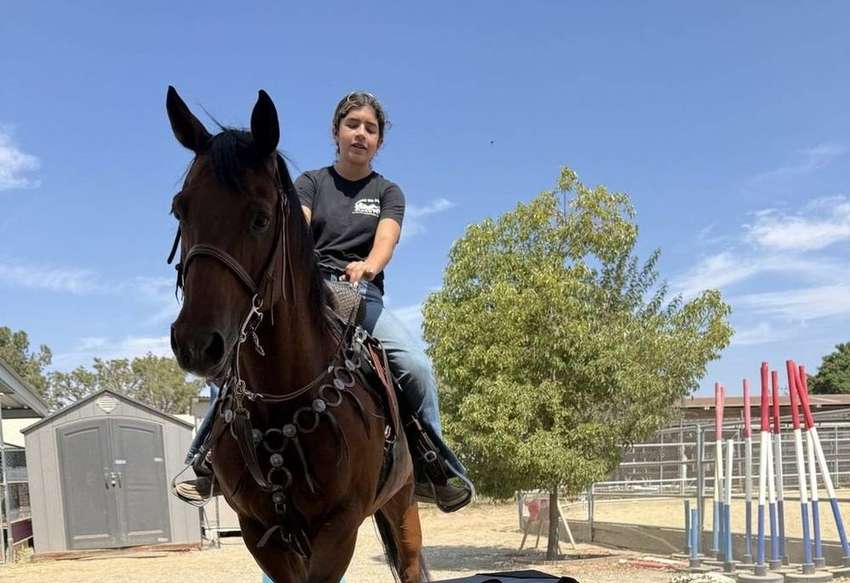
The Kalmyk is a medium riding horse, roughly fourteen-two to fifteen hands, with a somewhat coarse head on a strong neck, a deep chest, a straight back, and hard, well-shaped hooves. Bay, brown, chestnut, and black predominate. What breed descriptions emphasize is not refinement but constitution: the ability to work and even winter on steppe grazing, to travel far between water, to fatten fast in the spring flush and spend the reserves slowly. Herds were kept outdoors year-round under herdsmen, in the tabun system of the open steppe, and the horse's mind matches — independent, tough, and enduring.
War, Deportation, and a Thin Survival
The twentieth century was brutal to the Kalmyk people and their horses alike: collectivization broke the herd system, and in 1943 the entire Kalmyk population was deported to Siberia, returning only in the late 1950s. The breed's numbers and purity suffered accordingly, and Soviet breeding absorbed much Kalmyk stock into other steppe breeds. Pure Kalmyk horses survive in small numbers in Kalmykia, where the breed is kept as a cultural inheritance as much as a working animal — the horse of a people whose identity was formed in the saddle.
Keeping a Kalmyk Horse Well
Care is steppe care. Build the diet on forage, be sparing with concentrates, and plan rations with your veterinarian — a horse bred to winter on dry grass is a weight and metabolic risk on lush pasture. Regular farrier care, herd turnout, and room to travel suit it best; its stamina shows in distance work rather than in short arena efforts. Handling should be patient and consistent, respecting an independent steppe temperament. Give one miles, company, and plain feed, and the Kalmyk repays with the virtues its people's whole history required of it.
Keep reading
From the ranch