Horse Camps for Kids: How to Choose the Right One
A good horse camp can be the week a child talks about all year — and a bad one can sour a kid on horses entirely. Camps vary enormously in quality, structure, and safety culture, so choosing well matters more than choosing close. Here is how to evaluate your options like someone who knows what good looks like.
Day Camps vs. Overnight Camps
Day camps run during daytime hours and send kids home each evening, which makes them a gentle first step for younger children and families new to horses. Overnight camps add the full immersion — evening barn chores, campfire camaraderie, and the independence of sleeping away from home — but they suit kids who are ready for the longer days and the emotional stretch of being away. Consider your child's age, experience, and temperament honestly: a nervous six-year-old often thrives at a half-day program, while a horse-crazy twelve-year-old may beg for the week-long overnight. Many families do a day camp first and graduate to overnight the following summer, which is a perfectly sensible path. Cost, distance, and schedule matter too, but fit should drive the decision more than convenience.
Questions Worth Asking
Before you register, ask the questions that reveal how a camp really runs. What is the counselor-to-camper ratio, and what are the staff's qualifications and ages — you want trained, background-checked adults leading, not just older teenagers improvising. Ask how horses are assigned: good camps match mounts to riders by size, weight, and ability, and can tell you how they assess a new rider. Find out the daily structure — how much riding versus barn time versus downtime — and whether beginners get genuine instruction or mostly supervised pony rides. Ask about their emergency plan, their first-aid training, and how they handle homesickness, heat, and severe weather. The answers, and how readily they give them, tell you everything about the operation.
What Good Camps Actually Do
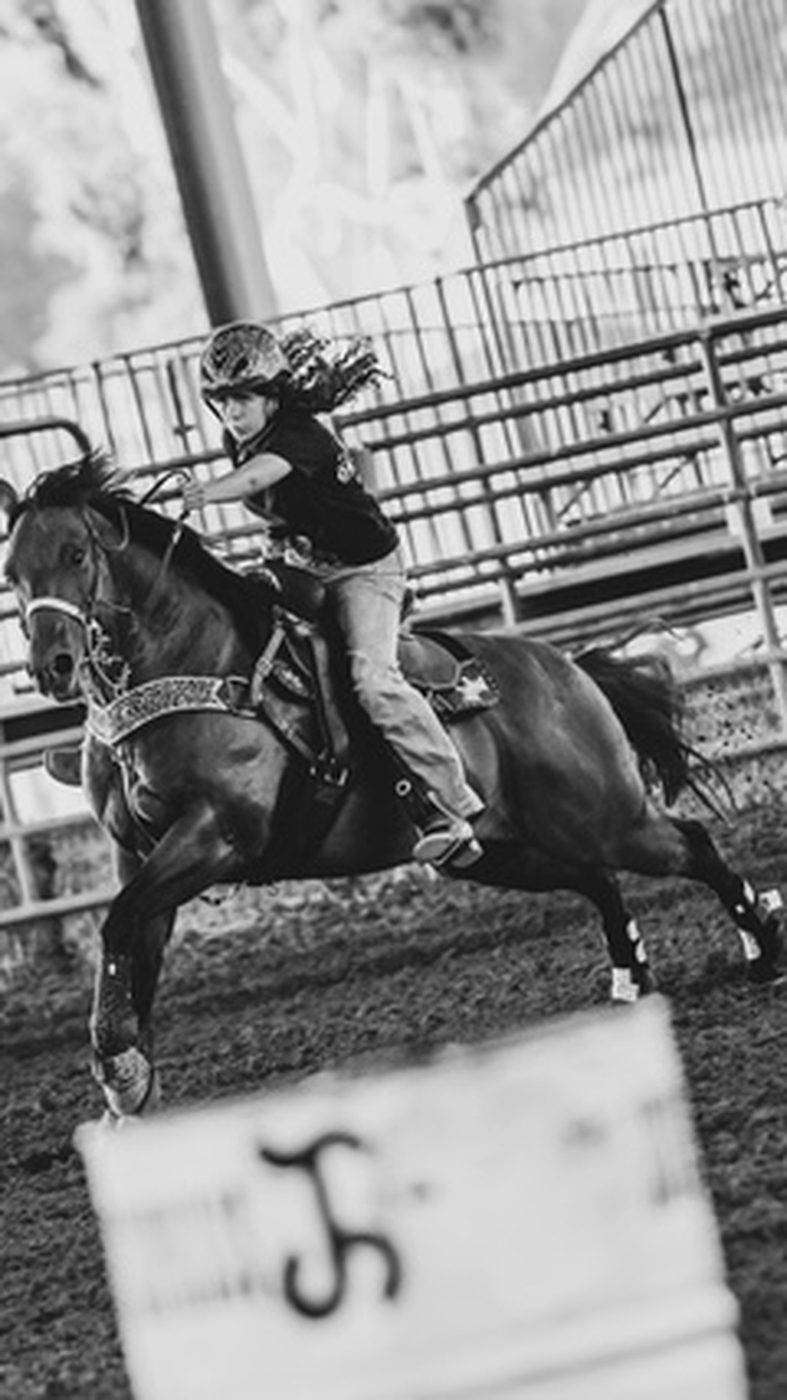
Quality shows up in the details once you know where to look. Good camps teach horsemanship, not just riding: kids learn to halter, groom, lead, and read a horse's body language, because the groundwork is where confidence and safety are built. Helmets should be required every time a child mounts, with tack checked for fit and condition before each ride. Look for small riding groups sorted by ability rather than one big mixed string of horses, and for lesson horses that are calm, sound, and well-fed — the condition of the camp's horses is the most honest review of the operation. Good camps also welcome parent visits and observation, communicate clearly about the schedule, and never push a frightened child to ride. A camp that treats safety as culture rather than paperwork is the one you want.
Preparing Your Child
A little preparation turns a good camp into a great week. Talk with your child ahead of time about what the days will look like, including the less glamorous parts: mucking, sweeping, and waiting your turn are part of real barn life. Pack for the barn, not the fashion show — long pants for riding, closed-toe boots with a heel, sunscreen, a water bottle, and a helmet if the camp allows personal helmets that meet current safety standards. Let the camp know about allergies, medications, and any relevant health information in writing before day one. Most importantly, set the expectation that horses are animals, not amusement rides: some days a child will groom more than ride, and that is horsemanship, not a disappointment. Kids who arrive expecting real work around real animals tend to leave with real skills.
Keep reading
From the ranch