The Galiceno: Mexico's Small Spanish Horse
The Galiceno is a small, smooth-gaited horse of Spanish colonial ancestry that developed in Mexico — pony-sized but a true horse, hardy, gentle, and now rare.
From Galicia to the Mexican Coast
The Galiceno takes its name from Galicia, in northwestern Spain, and its story begins with the small gaited horses the Spanish carried to the Americas in the sixteenth century. In Mexico those horses — of Galician pony, Garrano, Sorraia, and Andalusian background, by most accounts — lived for centuries in relative isolation along the coastal regions, used on ranches and prized locally for riding ease, courage, and endurance. The wider world took notice only in the 1950s, when American horsemen began importing them; the Galiceno Horse Breeders Association was founded in 1959 to register and preserve the breed.
Small, Smooth, and Stronger Than It Looks
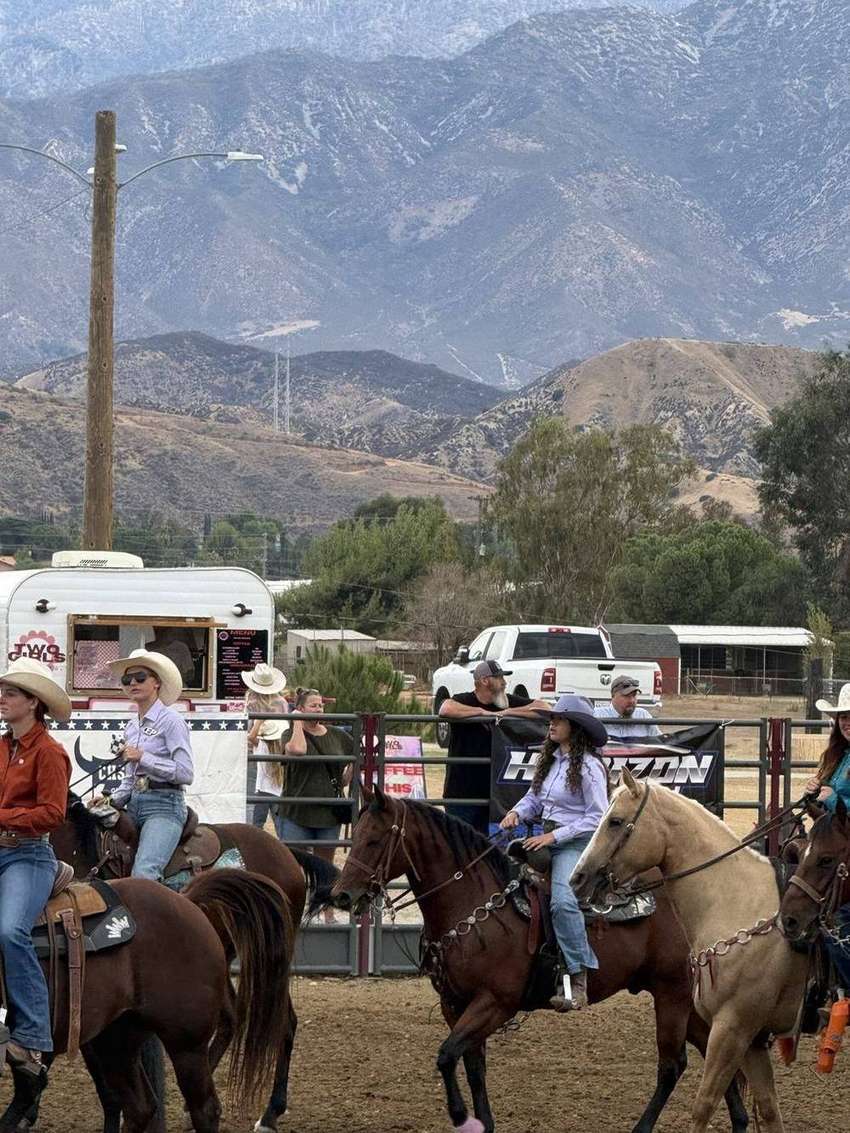
The Galiceno stands about twelve to thirteen-two hands and weighs roughly six hundred and twenty to seven hundred and fifty pounds — small, but classified and built as a horse, not a pony. The profile is straight or slightly convex, the ears small and tipped inward, the chest narrow and deep, the back short, and the legs long and strong on small hooves. Colors are solid — bay, black, chestnut, and the cream and dun dilutions among them, without pinto patterning. Its signature is gait: many Galicenos show a fast, smooth running walk that covers ground comfortably, a hallmark of its Spanish inheritance. The mind matches: intelligent, gentle, and willing.
Ranch Horse, Family Horse, Rare Horse
In Mexico the Galiceno worked as a riding and pack horse and at light farm tasks. In the United States it found a second career as a children's and youth mount — small enough for young riders, horse enough to jump, cut, and run timed events — and Galiceno blood contributed to other American breeds, including early Pony of the Americas stock. Fashion moved on, numbers fell, and the breed is now listed as a conservation priority by The Livestock Conservancy. What survives is a genuinely versatile small horse whose documented pedigree, breeders emphasize, is what separates a Galiceno from any small Spanish-looking horse.
Keeping a Galiceno Well
Care is easy-keeper care. Build the ration on forage, add concentrates only for real work, and plan the diet with your veterinarian — small Spanish horses gain weight readily and their feet and metabolism ask for the usual watchfulness. Small hooves belong on a regular farrier cycle, and the smooth gait is best judged and kept on a horse in regular, varied work: trails, driving, and schooling all suit it. The breed is valued for its gentleness with young riders, which makes honest early training doubly worthwhile. Give one a job sized to its strength — which is larger than its stature suggests — and the little colonial horse shows its centuries of ranch sense.
Keep reading
From the ranch