Fence Maintenance and Repair Basics: Walk the Line
Fences fail quietly first — a sagging wire, a rotting post, a charger gone dead — and loudly later, with horses out. A regular walking inspection and prompt small repairs are how the quiet stage is all you ever meet.
The Fence Walk
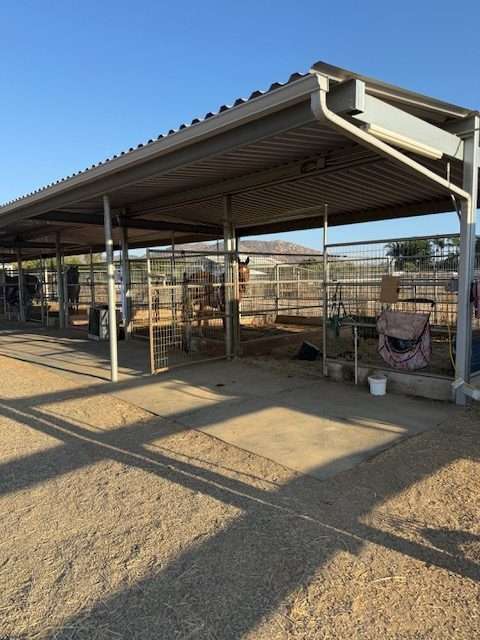
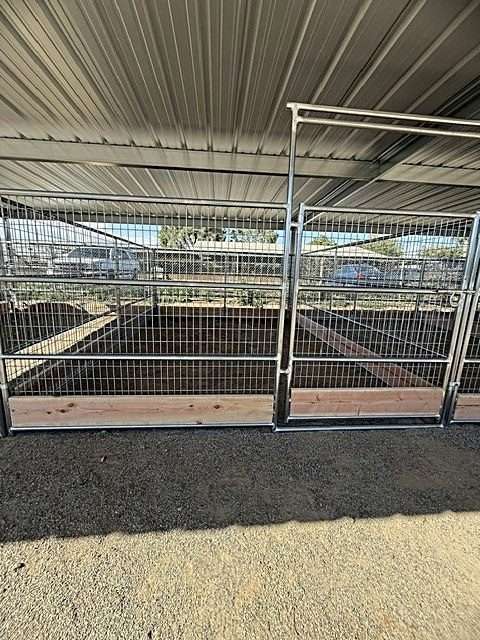
Every fence on a horse property should be walked on a schedule — monthly at a minimum, and after every serious storm — with the walker actually looking: posts for lean, rot at the ground line, and heaving; boards for cracks, popped nails, and chew damage; wire for sag, breaks, and rust; mesh for tears and lifted bottoms; gates for sagging hinges and latches a clever horse can work. Bring pliers, a hammer, insulators, and a notebook, fix the five-minute problems on the spot, and write down the rest before the list evaporates at the barn door.
Electric Fence: Test, Do Not Trust
Electric fence works on education, and education fades when the charge does. Keep a fence tester in the chore kit and check voltage at the far ends of lines, not just at the charger. The usual culprits are vegetation grounding the line out, cracked insulators, poor ground rods, and connections corroded into decoration. Keep grass and brush trimmed off hot lines, check the charger and its grounding after lightning storms, and walk a newly energized section yourself — a fence the owner has not tested is a rumor, and horses investigate rumors with their noses, once.
Repairs Worth Doing Right
Small repairs done properly prevent the expensive kind. Replace a rotten post rather than sistering it twice; set replacements at proper depth and brace corner posts, because corners carry the whole line's tension. Splice wire with proper splices rather than twists that snag and weaken, re-tension sagging strands, and replace chewed or split boards before their edges become the injury. Keep horses out of a section while you work it, use temporary fencing to hold the line, and photograph the finished repair list — a simple fence log by pasture and date turns a chore into a management system.
Design Lessons Learned the Hard Way
Every repair teaches the next building decision: gates belong where mud does not; corners and water troughs need the strongest construction on the place; visibility matters, especially for wire, which is why many horse fences add a top board or rail horses can actually see; and any material with sharp edges, loose ends, or gaps that trap a hoof or head does not belong in a horse fence at all. Budget a little every year for fence, before it demands a lot at once — usually at 2 a.m., in weather, with the whole herd watching you learn.
Keep reading
From the ranch