Ribbon Roping: Rope, Run, and the Ribbon
Ribbon roping is rodeo's team sprint: one partner ropes a calf from horseback, the other — on foot — runs in, pulls a ribbon from the calf's tail, and races it back across the line.
Half Roping, Half Footrace
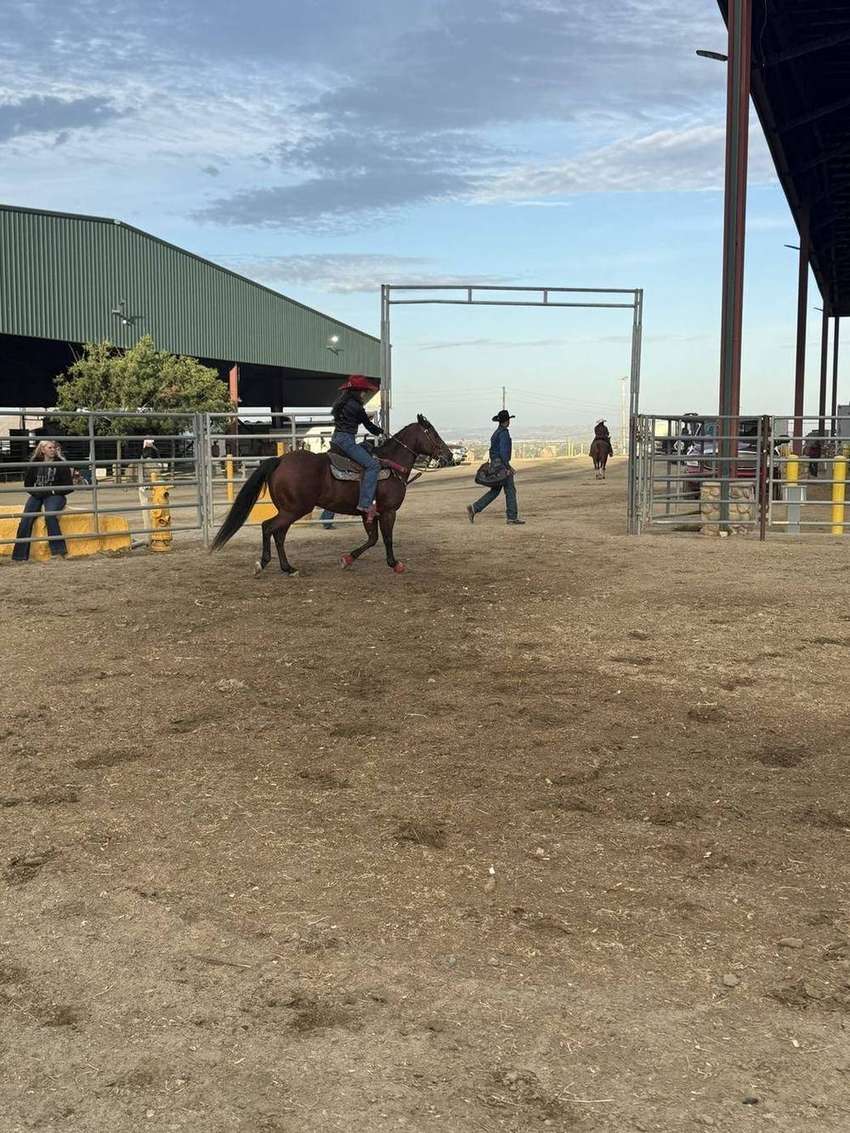
Ribbon roping splits the work of a roping run between two athletes and two species of skill. A calf is released from the chute with a ribbon tied on its tail. The mounted partner ropes the calf — rules on the catch vary by association, with many requiring a catch clean around the neck — and works the horse to hold the calf steady. Then the second partner, the runner, who has been waiting on foot, sprints in, takes the ribbon from the calf's tail, and runs it back across the finish line. The clock stops on the runner, not the rope: a fast catch squandered by a slow ribbon pull loses to an ordinary catch finished brilliantly.
A Roping Event Anyone Can Enter
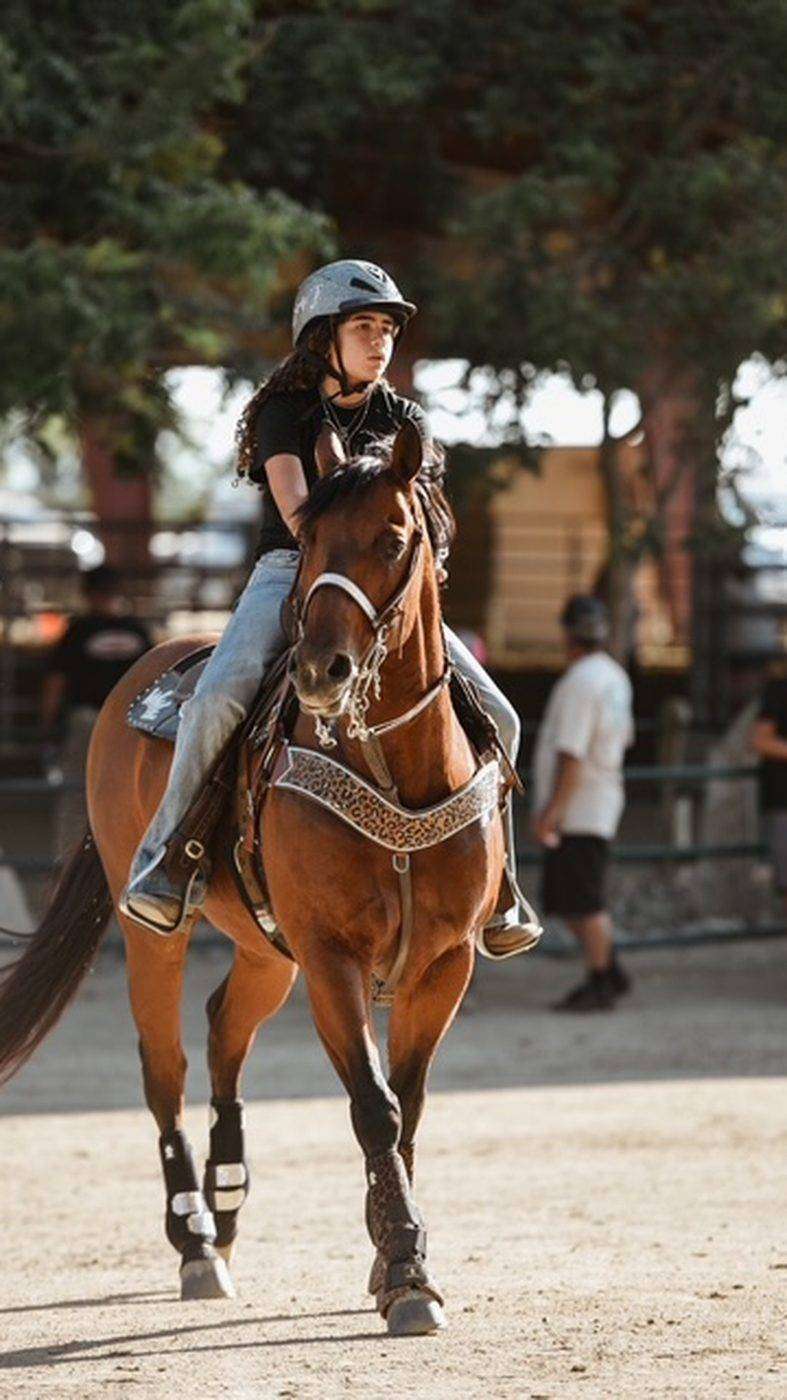
Ribbon roping's charm is its doorway: it asks one horse, one roper, and one partner with lungs and nerve instead of a second horse and years of roping practice. That has made it a fixture of junior, high school, and amateur rodeos and ranch competitions, and a natural mixed-team event — a parent roping for a child, a roper running for a friend. The runner's job is harder than it looks from the stands: approach a roped, unsettled calf at speed, read its movement, get a hand on a tail that does not want to be caught, and turn a grabbed ribbon into a footrace without wasted steps.
Rules of the Run
Associations write their own details, but the common frame holds: the calf wears the ribbon on its tail; the roper must make a legal catch and keep the calf faced and held while the runner works; the runner may not touch the calf before the catch is legal; and time is called when the runner crosses the line ribbon in hand. Penalties and disqualifications cover illegal catches, losing the calf, and interference. Because formats differ — some versions let the runner also be judged on the return, some run it as a straight scramble — competitors read the ground rules at each rodeo, the oldest advice in the sport.
Skills the Event Quietly Teaches
Ribbon roping looks like a novelty and trains like a foundation. Ropers learn to rate and hold a calf for a partner on the ground, a horsemanship skill every working roping shares. Runners learn cattle sense at arm's length — how a calf shifts, commits, and can be read — which is the beginning of all stockmanship. Horses learn to work a rope with chaos arriving on foot. For families and first-time competitors, it is rodeo at its most welcoming: one horse, two partners, thirty seconds, and a ribbon that decides everything.
Keep reading
From the ranch