Checking Fences: A Walk That Prevents Escapes
Most fence failures announce themselves quietly weeks before a horse gets out: a sagging wire, a leaning post, a latch that no longer quite catches. A deliberate weekly fence walk — and another after every storm — finds them while they are still repairs, not emergencies.
Why a Walk, and Why Weekly
Fences fail by inches. Wire stretches and sags, boards weather and crack at the nail line, posts lean a degree at a time, insulators snap, and vegetation quietly loads a line until something gives — usually at night, in weather, with a horse on the road. A scheduled walk converts that surprise into a checklist. Weekly suits most farms; the non-negotiable second walk follows any storm, flood, high wind, or fallen-tree event, before horses go back out. Walk the line itself, on foot, slowly — a fence inspected from a vehicle at distance is a fence whose bottom wire no one has actually seen.
What to Look For, Line by Line
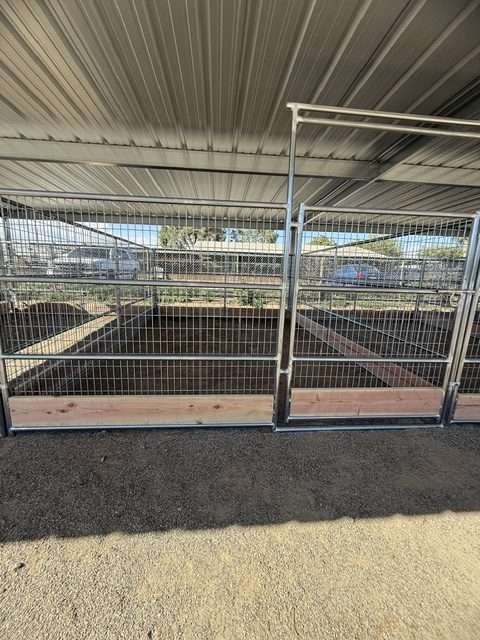
On wire fences: tension and sag, broken strands, rust at ground level, loose staples, and any sharp end turned toward the horses. On board and rail fences: cracked or sprung boards, protruding nails and screws, and rails a horse has been rubbing. On mesh: stretched or torn sections and a bottom edge a hoof can catch. Everywhere: posts for lean and rot at the soil line, braces for slack, insulators and electric lines for contact with vegetation, and corners — where tension concentrates — for movement. Check water gaps and low crossings after rain, and walk gates as carefully as fence: hinges, latches that close with one hand and stay closed, and chains where they belong.
Carry a Repair Kit, Keep a List
The walk works best with a small kit in hand — fencing pliers, a pocketful of staples or insulators, a short length of wire or tape, and flagging tape — so trivial fixes happen on the spot and bigger ones get flagged and listed rather than forgotten. Keep the list where the farm's other records live, ordered by risk: anything that could let a horse out or cut a leg today, cosmetic sag next month. Note also what caused each failure. A fence repeatedly pushed at one corner is telling you about the horses, the feeding routine, or the neighbours' horses — fix the cause and the fence stops failing there.
The Horse-Safety Standard
Every repair is judged by one test: could a running, rolling, or cast horse hurt itself on this? That standard prefers visible fence lines a horse can read at speed, forbids loose wire ends and makeshift patches of baling twine and hope, and treats temporary repairs as having an expiry date measured in days. It also extends the walk's eye beyond the line itself — fallen branches on the fence, holes dug at gates, ice, mud, and anything new a horse could reach through the wires. An hour's walk, honestly done, is the cheapest insurance a horse farm buys; the escapes and injuries it prevents never send a thank-you note, which is how you know it is working.
Keep reading
From the ranch