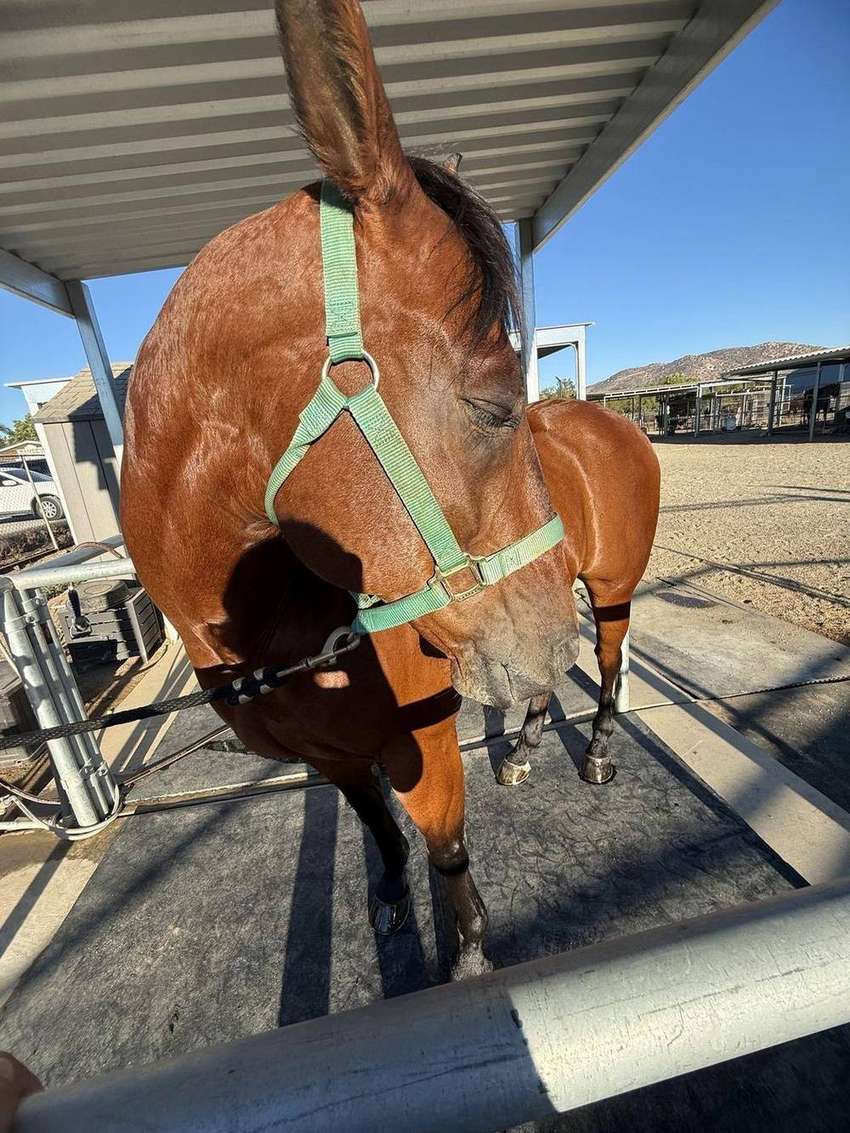
Bot Flies and Horses: Those Little Yellow Eggs, Explained
In late summer and fall, tiny yellow specks appear glued to horses' legs — bot fly eggs. The fly itself does not bite, but its life cycle runs through the horse's mouth and stomach. Here is the cycle, the scraping, and the deworming conversation to have with your veterinarian.
A Fly With a Clever, Unpleasant Plan
Adult bot flies look like small bees, but they cannot bite or even feed — their whole short life is reproduction. The female hovers and darts at a horse, gluing individual yellow eggs to hairs, most often on the front legs, chest, and shoulders (one species favors the jaw and lips). The horse is not harmed by the egg-laying, though some horses are genuinely bothered by the hovering fly. The eggs hatch when warmed and stimulated — conveniently, by the horse licking or biting at them — and the larvae enter the mouth, spend time in the tissues of the tongue and gums, then are swallowed and attach inside the stomach, where they overwinter before passing out in manure to pupate in the soil.
What Bots Do to a Horse
Most horses carry some bots without obvious trouble, which is why this parasite rarely makes headlines. Heavier burdens can contribute to irritation of the stomach lining, mouth sores during the migration phase, and general unthriftiness, and bots share the gut with the other parasites your deworming program already targets. The visible, honest way to think about bots is seasonal and managerial: eggs on legs in late summer and fall tell you the fly is active on your place, larvae are headed for stomachs, and timing — not panic — is the correct response. That timing is set by your climate and your veterinarian's deworming plan.
Scraping, Grooming, and Timing
The simplest control is physical: scrape eggs off with a bot knife, a pumice-style grooming block, or a careful pass with clippers, and you have ended those larvae's journey before it starts. Work the forelegs, chest, and jaw line during grooming in bot season — eggs are easiest to see on dark legs and easiest to miss on light ones, so use your fingers as well as your eyes. Deworming for bots is typically timed after the first hard frost in cold climates (when adult flies are done), using a product effective against bots, as part of the overall parasite program your veterinarian designs around fecal testing. Warm climates without frost need a locally adjusted schedule — another reason the plan belongs to your vet.
The Bigger Parasite Picture
Bots are a good doorway into modern parasite thinking: blanket calendar deworming for every horse is giving way to targeted programs — fecal egg counts, attention to the high shedders, pasture hygiene, and products chosen on evidence. Manure management helps here too, since bot pupae develop in the ground from larvae passed in droppings, and harrowing or removing manure in resting pastures interrupts several parasite cycles at once. This article is general information only and is not a deworming prescription for your horse. Bring bots up at your next veterinary visit: ten minutes of planning each fall protects your horse's stomach all winter.
Keep reading
From the ranch