Barn Ventilation Basics: Fresh Air Is a Health Essential
Walk into a barn on a still morning and take a breath — what you smell tells you a lot about the building. Good ventilation protects horses' lungs around the clock, while stale, ammonia-heavy air works against them. Yet ventilation is one of the most misunderstood parts of barn design, because our instincts about warmth and drafts point the wrong way. Information only — consult your veterinarian for respiratory concerns.
Why Airflow Matters More Than Warmth
Horses handle cold far better than they handle bad air. A horse's respiratory system moves an enormous volume of air every day, and ammonia from urine, dust from hay and bedding, and moisture from breath all accumulate in an enclosed barn. Chronic exposure irritates the airways and is linked to conditions like equine asthma. The classic beginner mistake is sealing the barn up tight against winter cold — the air feels warmer but grows steadily more harmful. A healthy barn smells of hay and horses, not of sharp ammonia.
How Good Ventilation Works
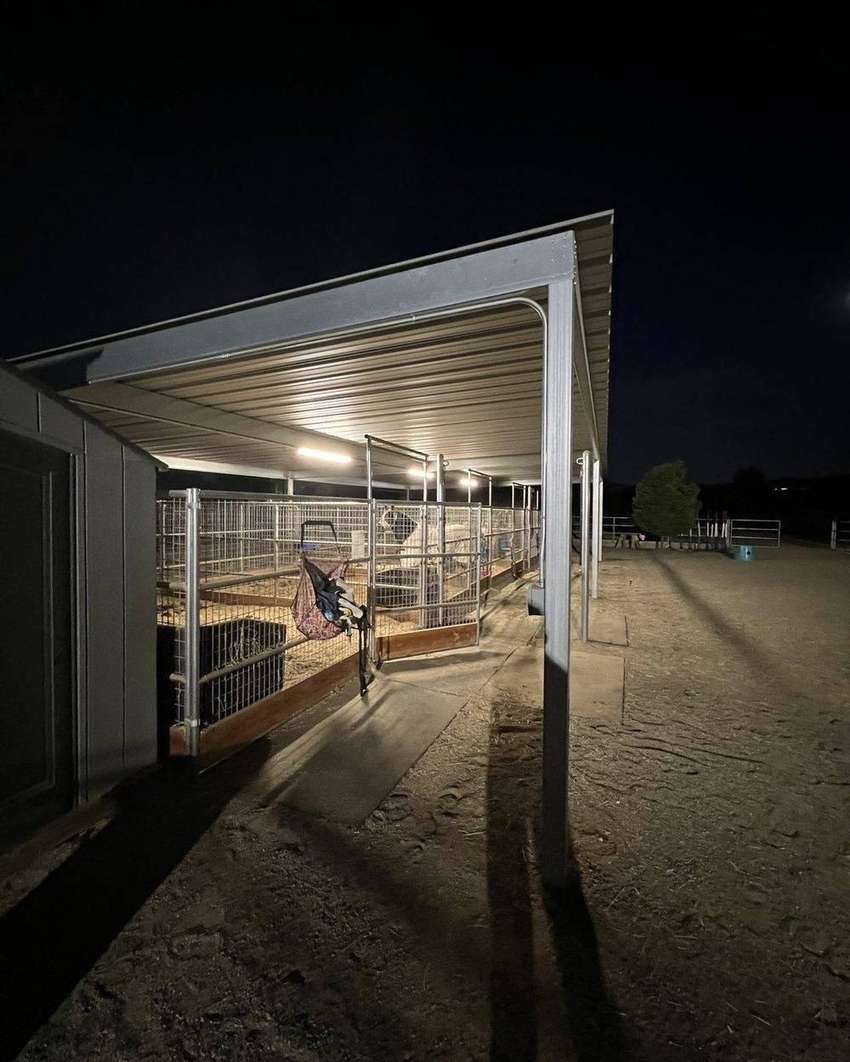
Effective ventilation is about steady air exchange, not wind tunnels. The time-tested pattern is simple: fresh air enters low, through doors, windows, or eave vents; warm, moist, ammonia-laden air exits high, through ridge vents, cupolas, or open gable ends. That gentle upward drift carries contaminants out without blasting horses with drafts at body level. Even in winter, keeping upper vents open while closing direct drafts at horse height strikes the right balance. If cobwebs are dancing but the horses' manes are not, the airflow is probably about right.
Reading the Signs of Poor Air
Your senses are the first monitoring tools. A sharp ammonia smell at nose height in the morning, condensation beading on metal surfaces, persistent cobwebs heavy with dust, or horses coughing as they start work can all signal stale air. Look at management too: stalls mucked late, wet bedding left in place, and hay stored or shaken out inside the barn all add to the load. Noticing these patterns early — and mentioning them to the barn manager — is one of the most useful things a watchful horse person can do.
Simple Improvements Any Barn Can Make
You do not need new construction to improve air quality. Open doors and windows on opposite sides to create cross-flow on calm days. Muck stalls early and get wet bedding out of the building rather than piling it in the aisle. Shake out hay outside or in a feed room instead of over stalls, and consider soaking or steaming dusty hay if a horse coughs at feeding time. Keep aisleways clear so air moves freely. These small, consistent habits compound — and they cost nothing but attention. For any horse with ongoing respiratory signs, your veterinarian should be part of the conversation.
Keep reading
From the ranch