Barn Biosecurity Basics: Keeping Disease Out
Biosecurity is the barn's immune system: the everyday habits — isolation for new arrivals, clean hands and equipment, controlled traffic — that keep one horse's germs from becoming every horse's illness.
Think in Zones, Not Just Stalls
Biosecurity starts with a map in your head. Your barn has a clean zone — the resident horses in their routine — and a risky edge where the outside world touches it: new arrivals, returning show horses, visiting horses, shared trailers, borrowed equipment, and every human hand that moves between barns. Disease crosses at that edge, on boots, buckets, bits, twitches, thermometers, and tires as readily as on a coughing horse. The whole discipline is simply this: slow everything down at the edge, clean what crosses, and keep the resident herd's world as closed as good horse-keeping allows. None of it requires a laboratory — it requires a routine nobody skips on a busy day.
The Isolation Stall Is the Whole Game
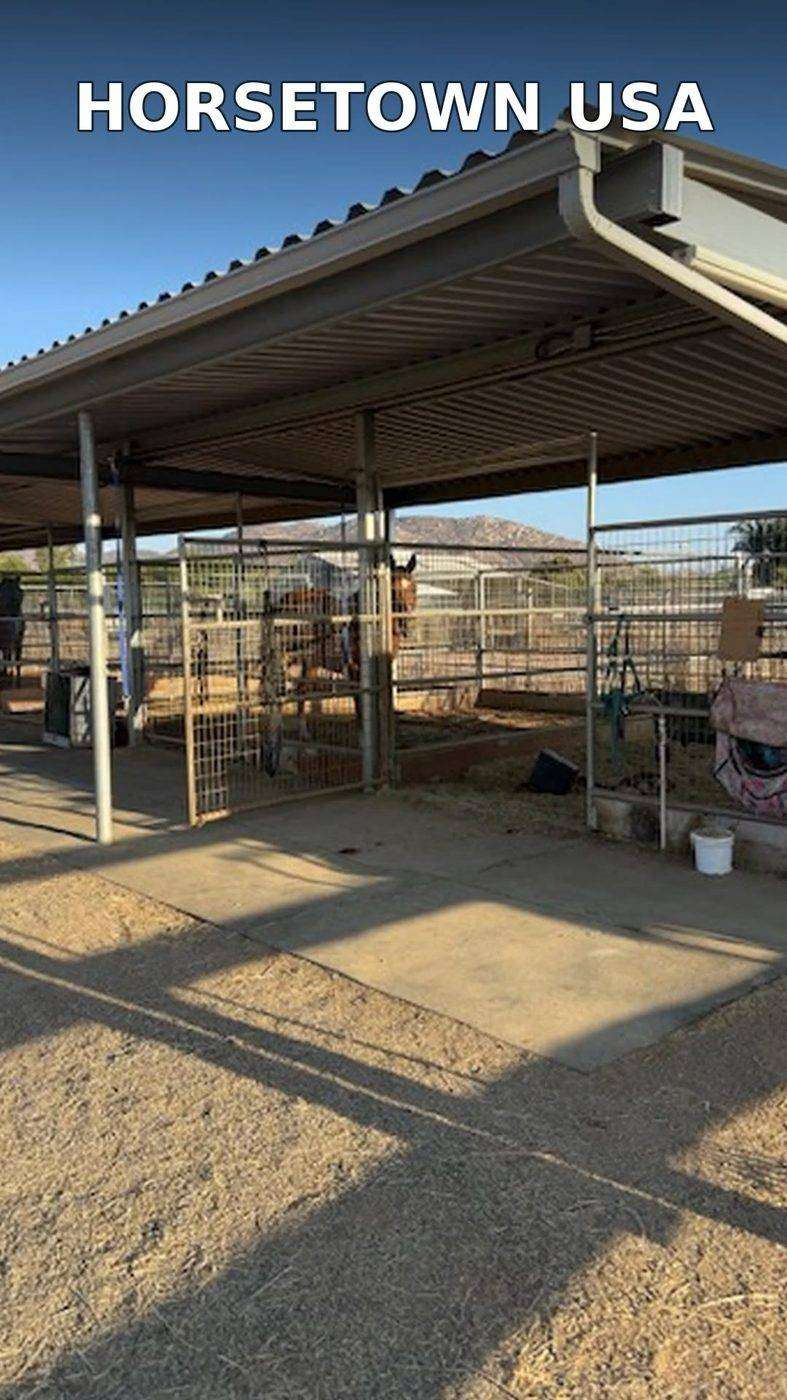
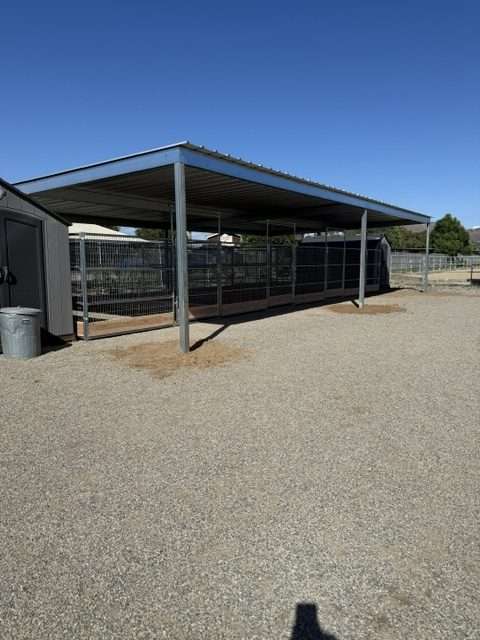
The single most effective biosecurity tool is time plus distance: every new arrival, and every horse returning from a hospital stay or a big multi-day event, spends a defined isolation period — commonly two to three weeks for new horses, set with your veterinarian — in a separated stall or paddock, handled last, with its own buckets, tools, and grooming kit. Take temperatures twice daily during isolation; a fever caught on day three in isolation is a barn saved, because most contagious diseases of horses announce with fever before they announce with anything else. Keep a written log. A horse that completes isolation bright, afebrile, and eating has earned its stall in the main barn — and a horse that spikes a fever has just told you why the system exists.
Hands, Boots, and Everything Shared
The daily layer is unglamorous and decisive. Wash or sanitize hands between horses — always after handling a sick or new horse; keep barn boots in the barn and event boots out of the clean routine until cleaned; disinfect bits, twitches, thermometers, and dose syringes between horses as a fixed habit, not an outbreak measure. Feed and water equipment stays with its horse or is washed before reassignment. Order your chores from healthiest to riskiest — residents first, isolation last — and never let the manure fork do double duty as the feed fork. Visitors with horses at other barns are welcome guests; their hands on your horses' noses are a biosecurity decision, and at shows, the shared water trough is the one tradition this page respectfully declines.
When a Horse Is Sick: The Fever Protocol
Pre-agree the plan with your veterinarian before you need it: at the first fever or contagious-looking sign — snotty nose, cough at rest, diarrhea, neurological wobble — the horse is isolated in place or moved to the isolation space, its temperature goes on the chart, contacts are listed, and the veterinarian gets a call the same day, not after the weekend. Movement on and off the property pauses until the picture clears. This is where the library's disease pages earn their keep: strangles, herpesvirus, influenza, and the reportable diseases all begin as one horse feeling off. Biosecurity is not fear; it is the calm arithmetic that one isolated horse for two weeks is always cheaper — in money, in worry, and in horses — than a barn down with fever in show season.
Keep reading
From the ranch