The Bardigiano: The Apennines' Bay Mountain Horse
The Bardigiano is a robust, docile small horse from Bardi in Italy's Parma Apennines — always bay, always hardy, and rebuilt from near-loss after the Second World War.
From Bardi, in the Tusco-Emilian Apennines
The Bardigiano takes its name from the town of Bardi, in the province of Parma, and belongs to the valleys of the Ceno and Taro rivers in the northern Apennines. Horses of its type are described in the region from the nineteenth century, with roots local tradition carries much further back. The breed was the mountain's working horse: farm work, pack work, and mule-breeding, with Bardigiano mares prized for producing first-class mules. Both world wars drained the pure population, and a postwar attempt to rebuild numbers with outside stallions blurred the type. A committee formed in 1972 to restore the breed properly, and a studbook was established in 1977.
One Color Only: Bay
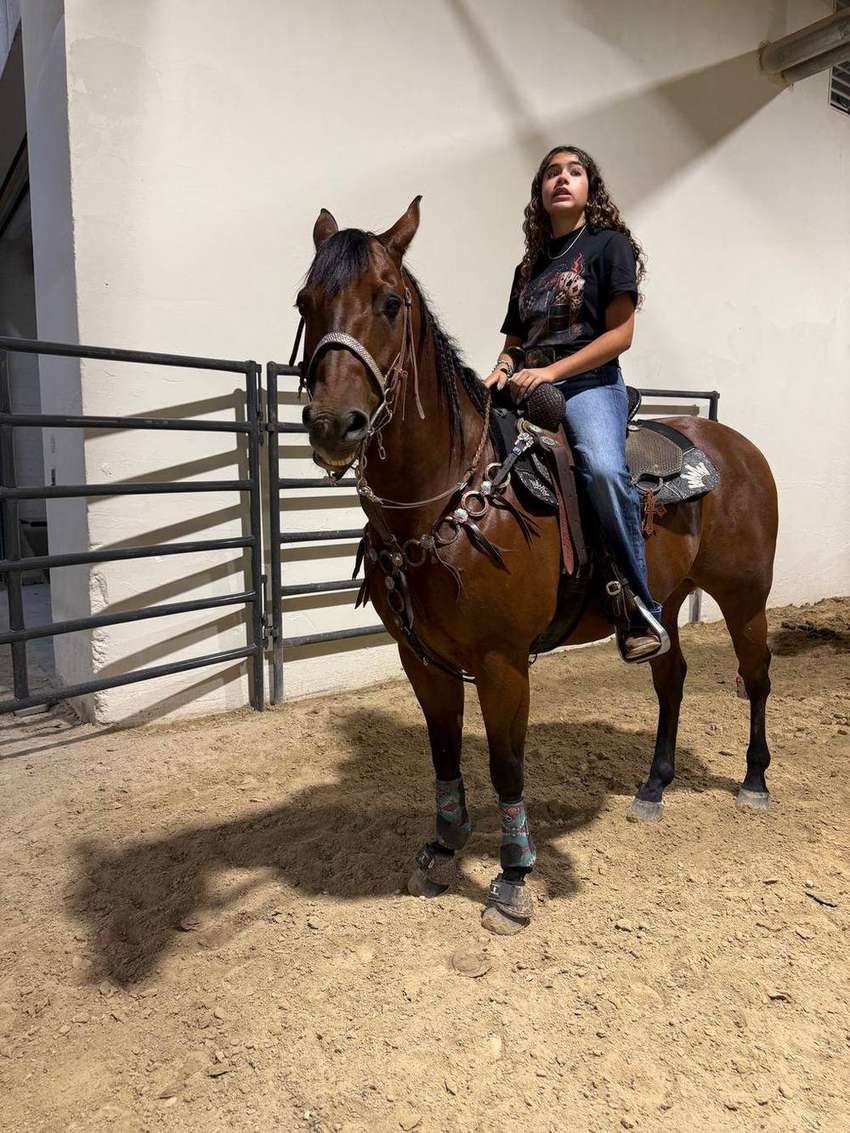
The Bardigiano standard is unusually strict about dress: the only recognized color is bay, with dark bay preferred, and chestnut and light bay are not admitted. Stallions stand about 140 to 149 centimeters and mares slightly less, and Italy counts the Bardigiano as a horse, not a pony, whatever the tape says. The build is compact and muscular — a small head with a straight or slightly concave profile, low withers, a straight back, deep girth, a broad croup, and strong limbs with short pasterns and very hard feet under a famously thick forelock and mane. The temperament is the mountain standard: rustic, frugal, and docile.
Pack Horse, Trekking Horse, Family Horse
The Bardigiano's traditional work was the economy of steep country: carrying loads where roads switchback, light draft on small farms, and saddle work between villages. Since the 1994 revision of the standard, which aimed to improve the breed as a saddle horse without losing its character, Bardigianos have spread through Italian riding and driving — pony trekking in the Apennines, competitive driving, light farm work, and family riding. Many are still raised semi-wild, turned out on mountain pasture for months of the year, which keeps the breed's feet, lungs, and judgment exactly what the terrain demands.
Keeping a Bardigiano Well
Care follows the hardy native pattern. Build the diet on forage, match concentrates to real work, and plan rations with your veterinarian — a frugal mountain horse fattens quickly at a lowland feed bin. Those very hard feet still need a farrier on schedule, and legs worked over steep ground deserve daily checks. A thick mane and forelock want regular parting and skin checks beneath. Bardigianos are social and level-headed, and they thrive on turnout, company, and varied work rather than stall life. Give this breed hills to climb and a purpose to walk to, and it returns the Apennine virtues in full: strength, calm, and feet that do not quit.
Keep reading
From the ranch