In-Kind Gifts: Donating Goods, Not Just Dollars
501(c)(3) public charityNot every gift arrives as a check. Tack, lumber, professional skills, and good hay all build a ranch — and in-kind gifts are a real, tax-acknowledged way to support the Foundation. Here is how they work.
What in-kind giving means
An in-kind gift is a donation of goods or services instead of cash. For a ranch-based nonprofit, that can mean halters and lead ropes, fencing materials, a used stock trailer, veterinary or farrier services, printing, photography, legal help, or skilled labor on a build project. The common thread: it is something the organization would otherwise have to buy or hire. A gift that sits unused in a shed is not a gift — it is storage — so the best in-kind donations start with a conversation about what is actually needed.
What makes a good in-kind gift
Useful now or soon. The gift should match a real need on a real timeline — ask before assuming. In good condition. Used is fine; broken, unsafe, or obsolete is not, since disposal costs the charity money. Complete. A saddle without its girth or a printer without ink creates errands, not value. Documented. Bring receipts, manuals, or service records where they exist. Donors who think like the receiving end — would I be delighted to get this? — give the gifts charities remember fondly.
Valuation, receipts, and taxes
The donor — not the charity — determines the fair market value of an in-kind gift, and your tax advisor is the right guide to documentation rules, which tighten as values rise. What the charity provides is a written acknowledgment describing what was received and confirming our 501(c)(3) status (EIN 41-5201120); we do not assign dollar values. Keep that letter with your tax records. Contributions of goods to a 501(c)(3) public charity are generally deductible to the extent allowed by law, the same as cash gifts.
Offering an in-kind gift to the Foundation
Our programs are still in development, which makes the ask-first rule especially important: contact us through the contact page and tell us what you have in mind. We will give you a straight answer about whether we can put it to genuine use — and if the timing is not right, we will say so rather than accept something we cannot use well. Every accepted gift receives a written acknowledgment for your records.
Prefer to give directly?
Two channels, both personal: send a Zelle gift to leslie@legacyridgeranchfoundation.com, or mail a check payable to “Legacy Ridge Ranch Foundation” to 7423 Silver Saddle Ct, Eastvale, CA 92880. Every gift receives an email receipt, and contributions are tax-deductible to the extent allowed by law.
Founding supporters
Follow the build.
The Foundation is being built in the open — its programs, its partnerships, and the road to launch. Tax-deductible donations (to the extent allowed by law) are open now, and every gift helps build what comes next.
More ways to support
Donate
Tax-deductible giving (to the extent allowed by law) to an IRS-recognized 501(c)(3) public charity.
Donors
Meet the donors standing behind the Foundation's mission — including our permanent Legacy Circle.
Grants
For grantmakers: our charitable facts and what we are building.
Volunteer
Lend a hand as programs take shape — the interest list is open.
Donor FAQ
Answers about tax deductibility, how to give, receipts, and where gifts go.
Legacy Giving
Considering a future gift to the Foundation — start a conversation with us.
Donor Recognition
How we thank and recognize the people who make this possible.
Our Vendors
The businesses behind the mission — listed because we use them.
What Is a 501(c)(3) Public Charity?
Plain-language explainer: what 501(c)(3) status and 509(a)(2) public charity mean for donors.
How to Vet a Veteran Charity
Check the IRS listing, read the Form 990, and give with confidence.
Employer Matching Gifts
Your employer may double your donation — here's how to find out.
Donor-Advised Funds, Explained
Give through your DAF: how donor-advised funds work and how to recommend a grant.
How to Read a Form 990
Due diligence before you give: find and read any charity's public filing.
Year-End Giving Checklist
Make your December gifts count: timing, receipts, and smart vetting.
Corporate Giving Basics
How companies give to 501(c)(3) charities — and how to start the conversation at yours.
Volunteer Grants, Explained
Some employers donate when you volunteer — how Dollars-for-Doers programs work.
Stock Gifts, Explained
Donating appreciated securities — how stock gifts work and how to arrange one.
Tribute Gifts, Explained
Giving in memory or in honor of someone — how tribute gifts work.
Charitable IRA Rollover Basics
Qualified charitable distributions from your IRA — the basics.
Leaving a Bequest: A Future Gift in Your Will
Planned giving basics — what a bequest is and how to arrange one.
Sponsorship vs. Donation: What’s the Difference?
Charitable gifts vs. business sponsorships — and why the distinction matters.
Donating a Vehicle to Charity: The Basics
How vehicle donation works and what to check before you give.
Gift Acknowledgment and Receipts: What Donors Should Expect
What a charity receipt should include — and ours, every time.
In-Kind Gifts for Horse Charities: Donating Goods and Services
Hay, tack, services — giving goods well.
Bunching Charitable Gifts: A Timing Strategy Explained
Concentrating gifts for tax timing, explained.
Planned Giving Vehicles, Explained
Charitable trusts and gift annuities — how future gifts work.
Donor Privacy Basics
What to expect from a charity’s handling of your information — and our commitments.
Giving Land to a Charity: The Basics
Appraisals, IRS rules, and what land gifts mean for a land-based nonprofit.
Programs in development
Everything the Foundation plans is still being built. Nothing below is operating yet — we would rather build slowly and do it right.
From the ranch
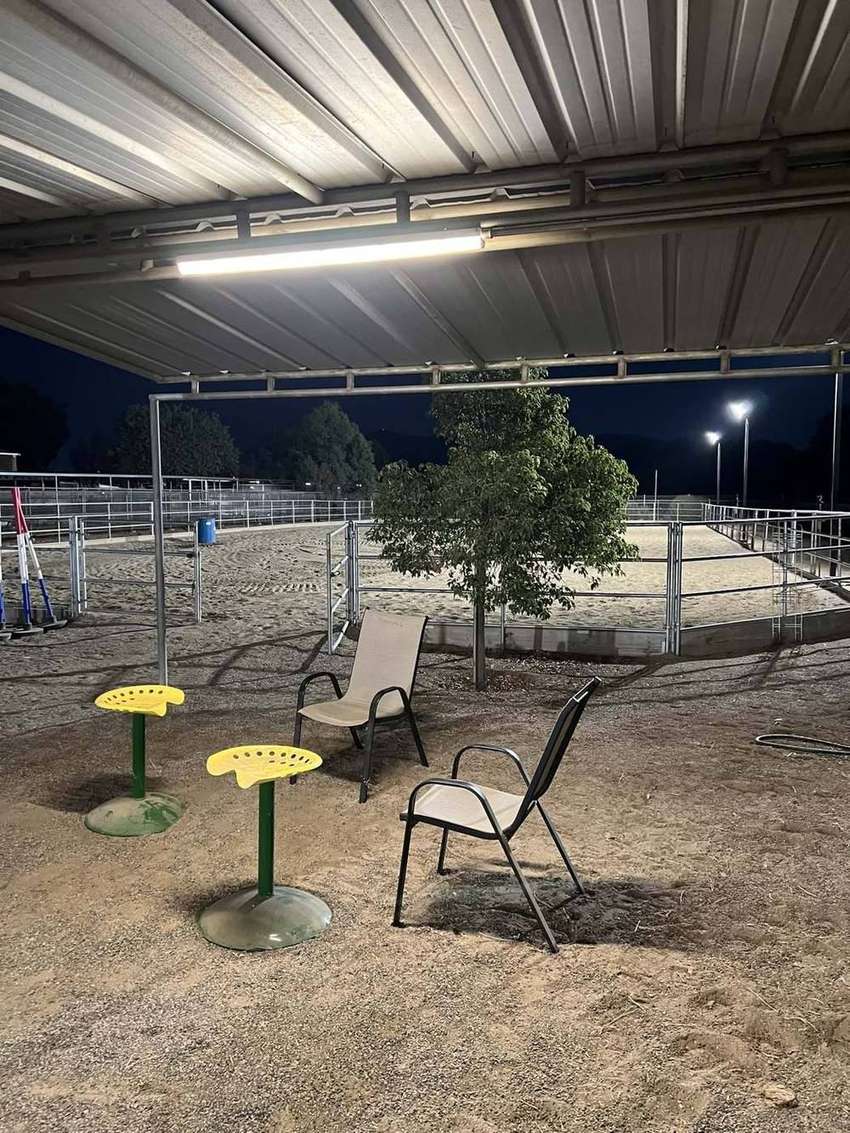
The working ranch where the Foundation's future programs will take shape.